
 English
  French

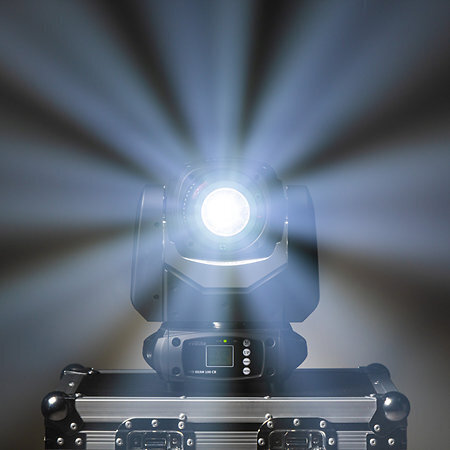
Motorized moving head fixtures incorporate some of the most advanced technologies in professional lighting. Their ability to move with millimetric precision, modulate color, project gobos, generate both narrow and wide beams, and adapt to any stage environment makes them essential for concerts, live shows, theatres, and television studios. To fully understand their performance, it is worth looking inside: stepper motors, belts and encoders for positioning, optical assemblies, latest-generation LED or laser light sources, control electronics, and cooling systems are all key elements that deserve attention.
Brands distributed by Audio Effetti, such as Briteq, JB Systems, Mac Mah, Evolite, and tarm — with its outstanding laser-source moving heads — demonstrate how internal engineering and build quality directly influence overall performance and, ultimately, results on stage.
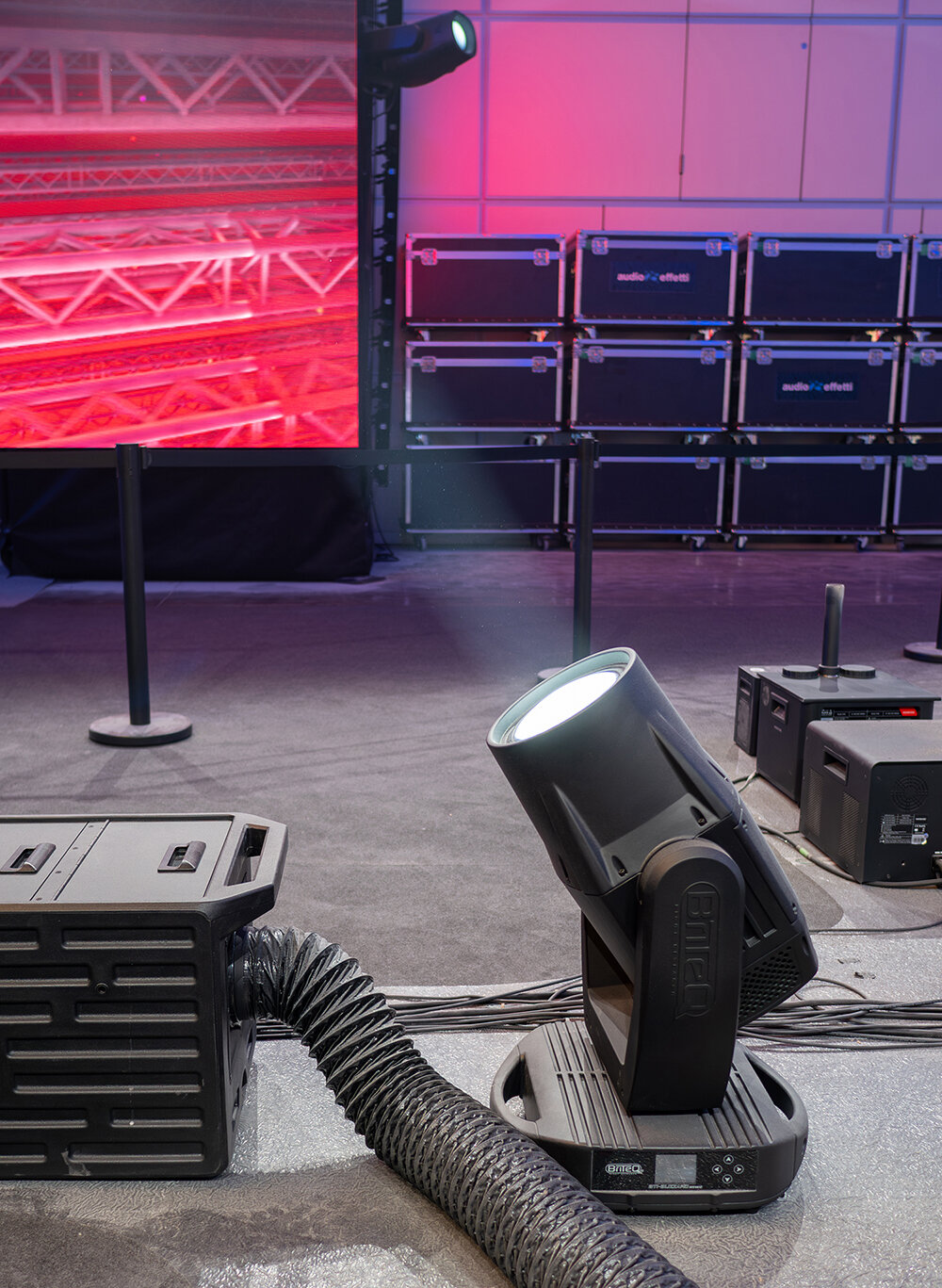
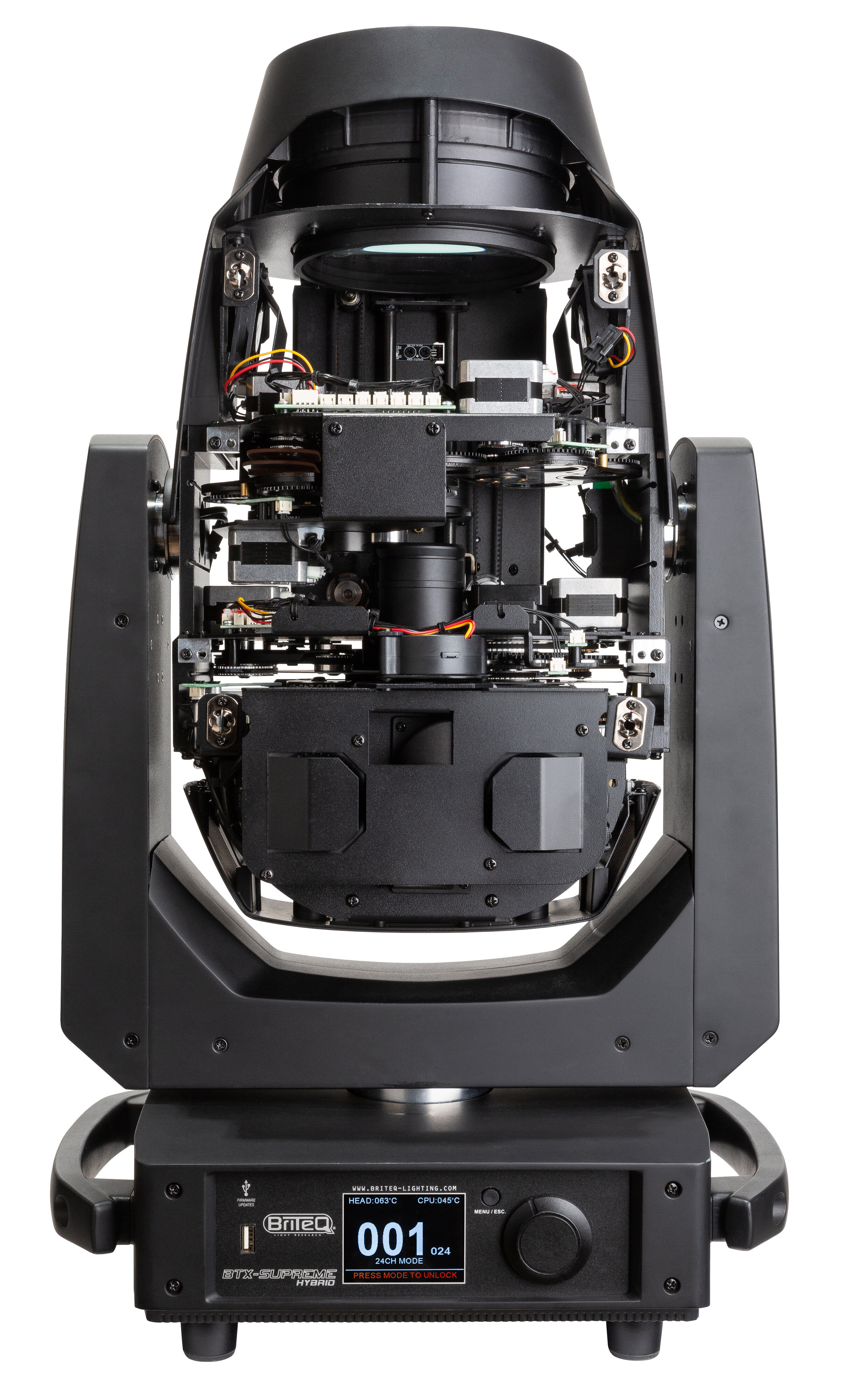
Lighting designers know how much a moving head can impact a show. Behind smooth motion and beam quality lies a complex structure, engineered to ensure precision and long-term reliability. Opening a professional moving head reveals a system of mechanical parts, optical components, and control electronics working in perfect synergy: motors, belts, sensors, lenses, heat sinks, and circuit boards. Each element is designed to withstand intensive duty cycles, vibrations, heat, and continuous repositioning.
In the models featured in the Audio Effetti catalogue, this level of engineering translates into consistent performance even on the most demanding tours. This article will examine the internal sections and the role of each.
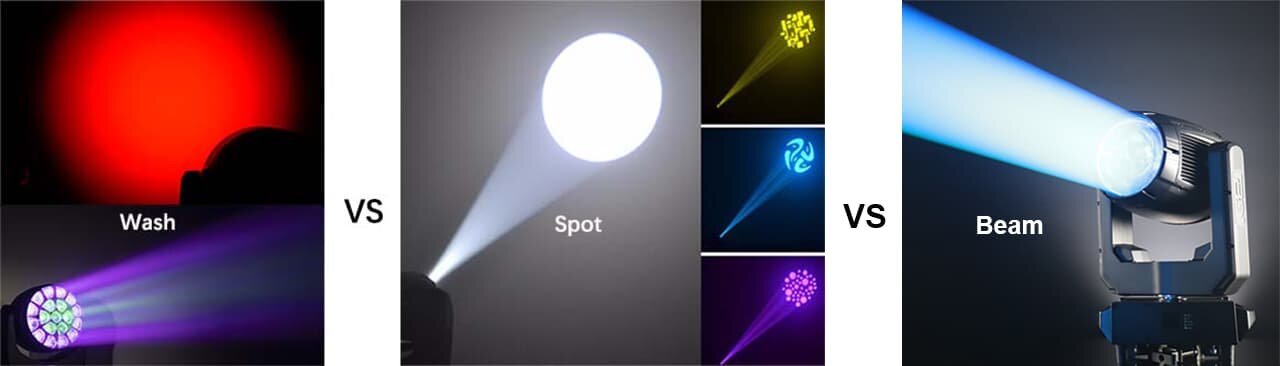
Spot, Wash, Beam and Hybrid fixtures: four different approaches to light projection
Moving head fixtures can be divided into well-defined categories, each with its own optical behavior and, consequently, a specific design approach:
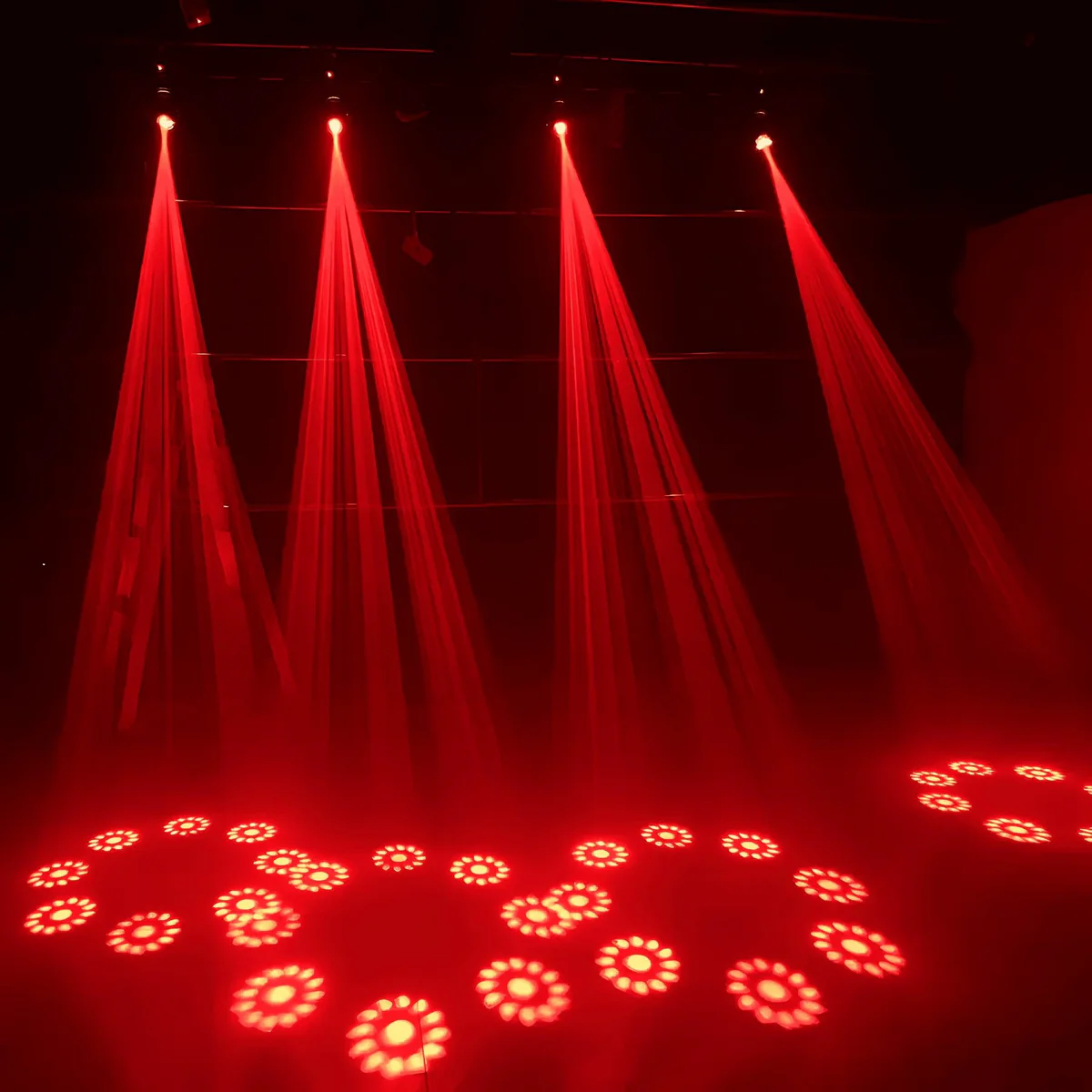
- Wash fixtures are designed to produce a wide, soft, and uniform beam, intended to “wash” a space with even light rather than create a concentrated ray like a Beam or Spot. Models such as JB Systems CHALLENGER WASH or Mac Mah MAC Wash 740Z use multi-cell optics, with a dedicated lens for each LED.
- Spot fixtures emit a focused, well-defined, and precise beam. They are primarily used for effects and are therefore designed for projecting gobos, textures, and dynamic images. Examples include Mac Mah MAC SPOT 100 and BoomTone DJ Maxi Spot 60.
- Beam fixtures are engineered to generate extremely narrow beams (with very low divergence, often around 2–3°) that remain sharply defined. Products such as Mac Mah Mac Beam 150 or evolite EVO Beam 60-CR use long focal-length optics capable of “cutting” through the air with precision, especially in the presence of haze.
- Hybrid fixtures, as the name suggests, combine Beam, Spot, and Wash capabilities in a single unit. Examples from the Audio Effetti catalogue include Briteq BTI-BLIZZARD BSW1, JB Systems CHALLENGER BSW, and Mac Mah Aurora 150 BSW.
External structure: housing, materials, and heat dissipation
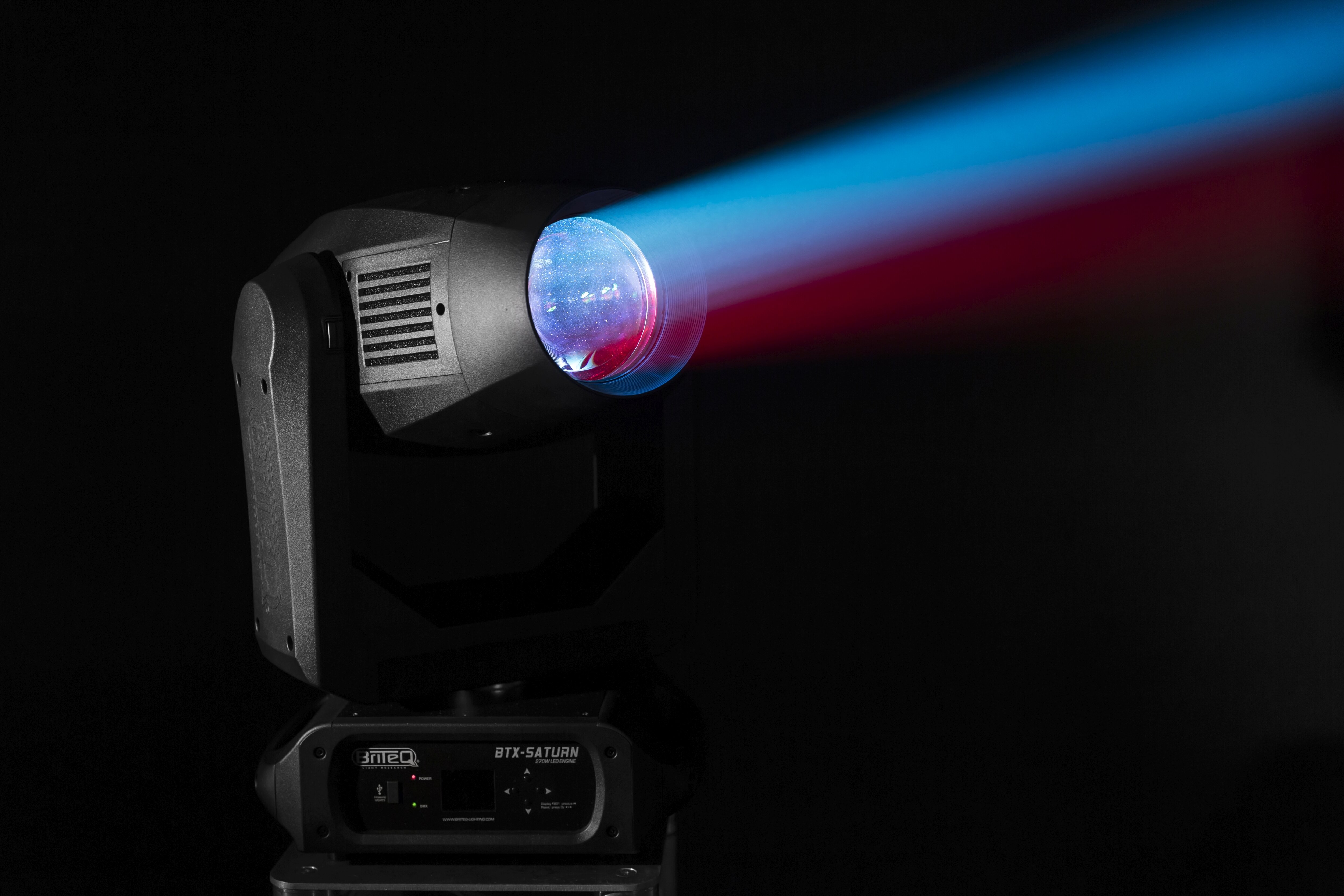
The housing of a moving head fixture is a fundamental structural element: it protects internal components, ensures stability during movement, and contributes to the overall aesthetics of the luminaire. To achieve both strength and lightness, manufacturers use materials such as aluminum alloys — valued for their rigidity and thermal dissipation properties — and high-resistance polycarbonate, which helps reduce overall weight while absorbing vibrations and impacts.
Professional moving head fixtures typically weigh between 7 and 18 kg, striking an ideal balance between portability for temporary installations and robustness for permanent setups. The structure incorporates reinforced mounting points, essential for safe installation on trusses and similar supports.
The housing design also includes dedicated thermal management solutions, such as ventilation channels, heat sinks integrated directly into the chassis, and optimized airflow to maintain stable operating temperatures during extended use. In models intended for outdoor applications, the enclosure can be fully sealed, with waterproof housings and gaskets that ensure ratings such as IP65 (see, for example, Briteq BTI-BLIZZARD WASH1), protecting the fixture from rain, dust, and harsh environmental conditions.
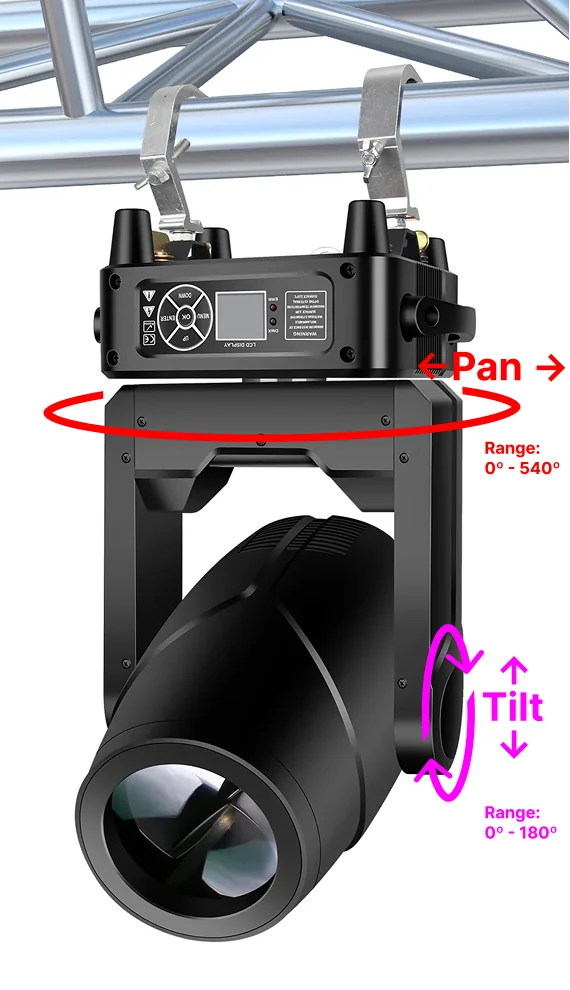
Movement mechanics: Stepper motors, Belts, and Encoders
Motion is transmitted via toothed belts, similar to those used in precision mechanical systems (such as robotics), designed to maintain constant tension, reduce vibrations, and withstand thousands of cycles without deformation. At the base of the vertical Pan axis, an optical encoder is almost always present, allowing the moving head to determine its position in real time. This system is essential for automatically correcting any shocks, maintaining alignment during complex shows, and ensuring repeatable movements.
In addition to the motors dedicated to Pan and Tilt, several others are integrated, each assigned to a specific mechanism: color wheel, gobo wheel, prism, frost, zoom, iris, and all other optical or mechanical modules requiring precise and repeatable motion. Together, these motors coordinate the entire system, enabling the moving head to operate reliably.
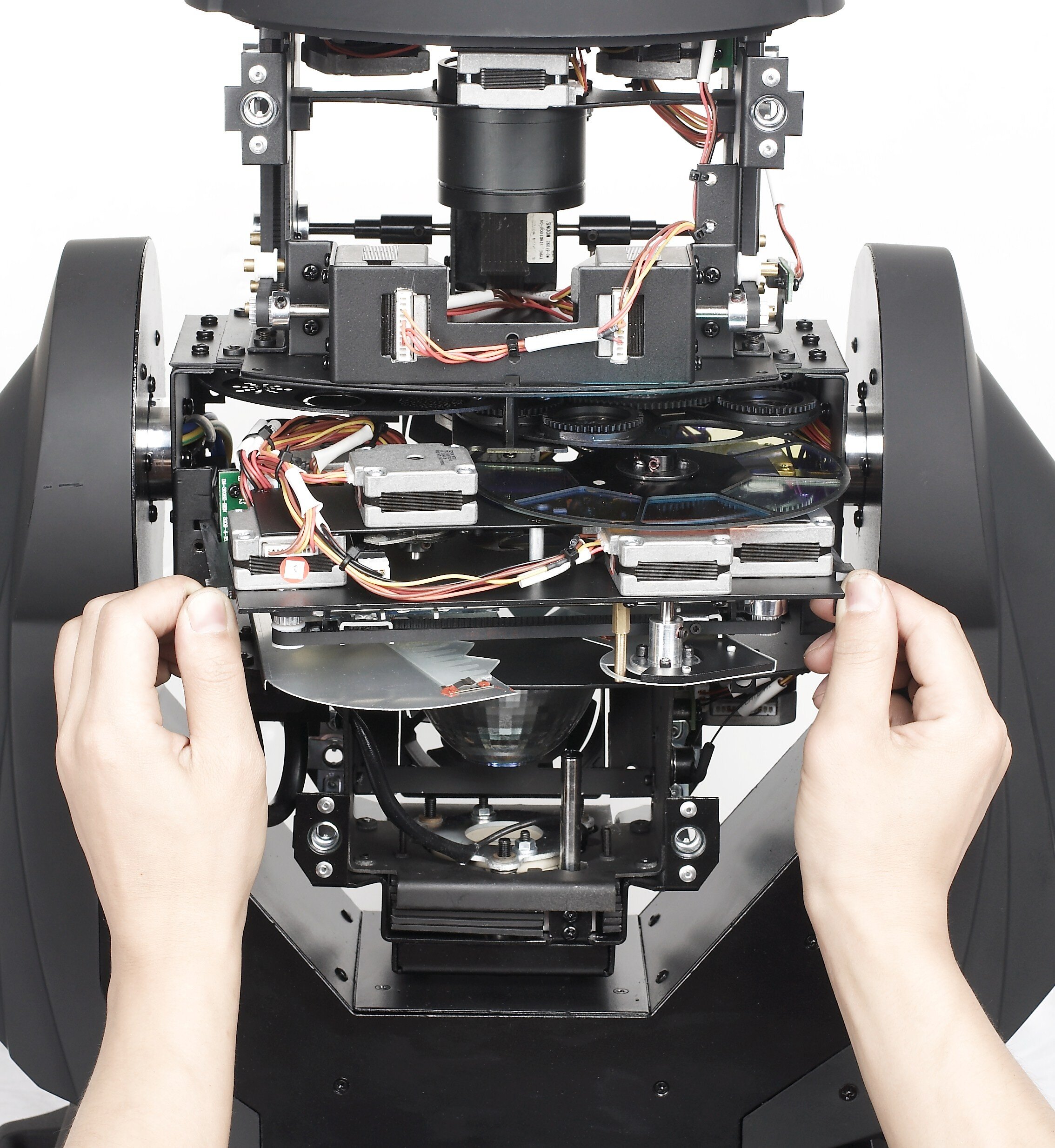
Optics and effects: Gobos, Prisms, Frost, Iris, and Zoom
The optical section is one of the most complex and fascinating parts of a moving head fixture. Each component has a specific function and contributes to shaping the beam, its form, and its behavior.
Zoom and Focus
- Variable zoom: adjusts the beam angle, allowing a transition from a narrow, concentrated output (typical of Beam fixtures) to a wider spread characteristic of Wash units. Zoom is achieved through a moving optical assembly—a set of lenses that shift back and forth relative to the light source via stepper motors and linear guides. It follows the same principle as photographic lenses with optical zoom, but is fully controlled via DMX. An alternative way to widen the beam is by using a Frost filter, which introduces a diffusing lens before the optical assembly.
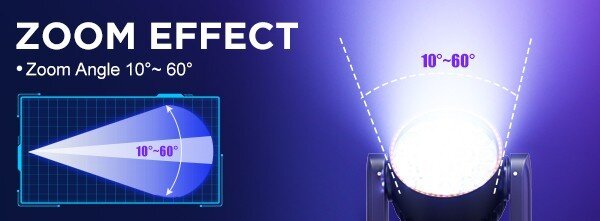
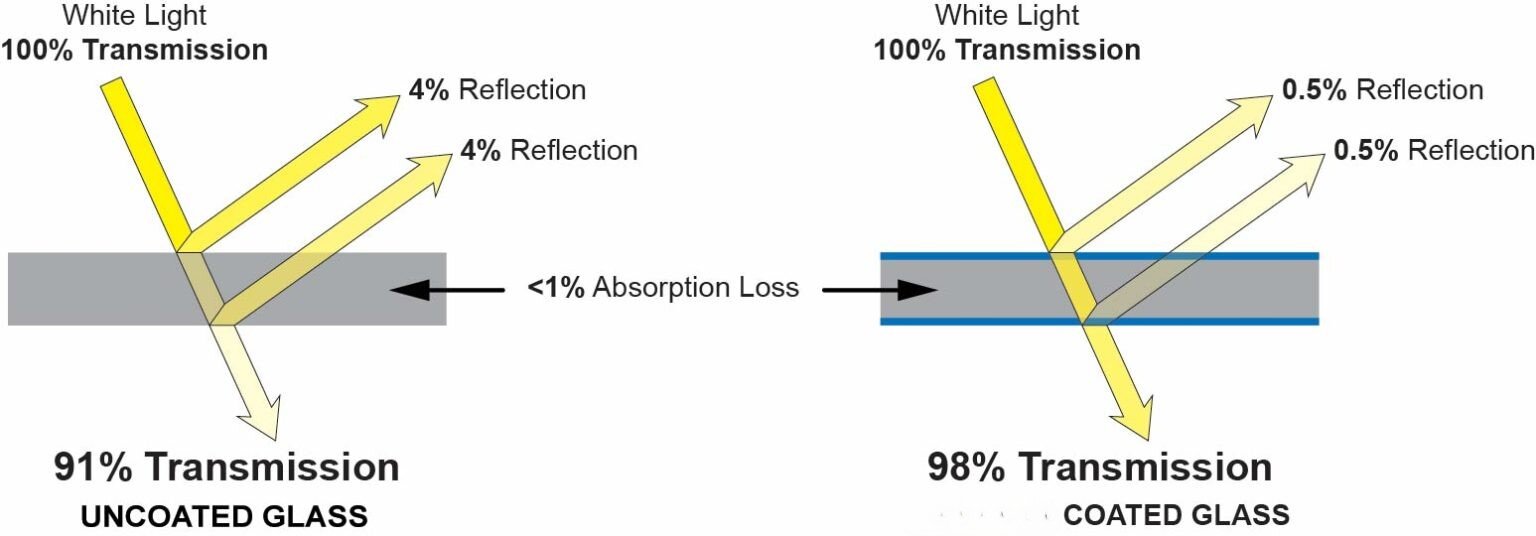
- Edge shaping: a technology that controls the sharpness of the beam’s edge, allowing a transition from a hard, well-defined outline to a soft, diffused one—particularly useful in theatre and television applications.
Gobos
The typical optical path of a moving head follows this sequence:
Light source → condenser → color wheel → gobo wheel → prism → focus → zoom → front lens
Gobo wheels are therefore positioned immediately after the color wheel and before the prism and lens assembly. They are capable of generating a wide variety of effects, such as the following:
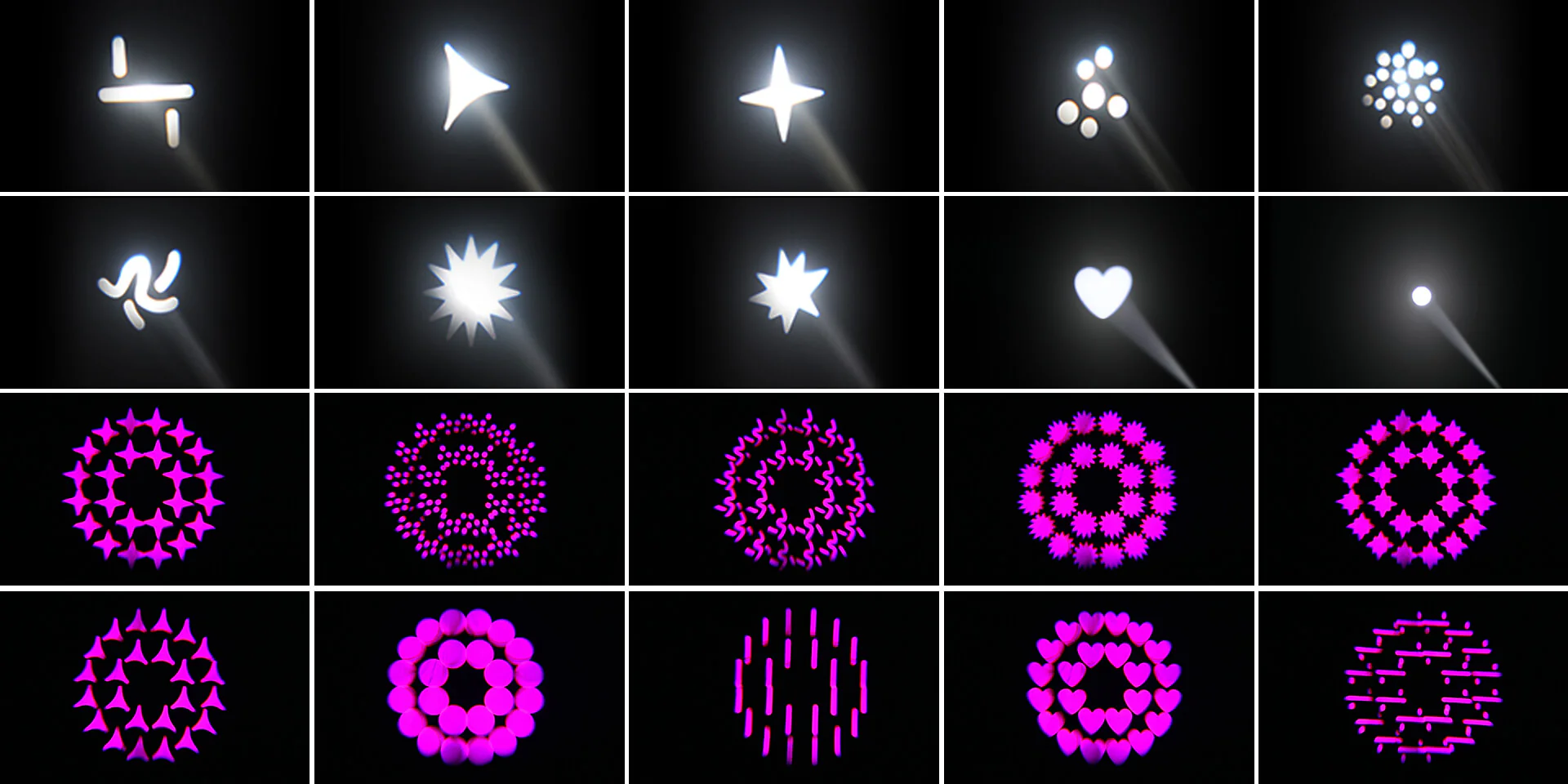
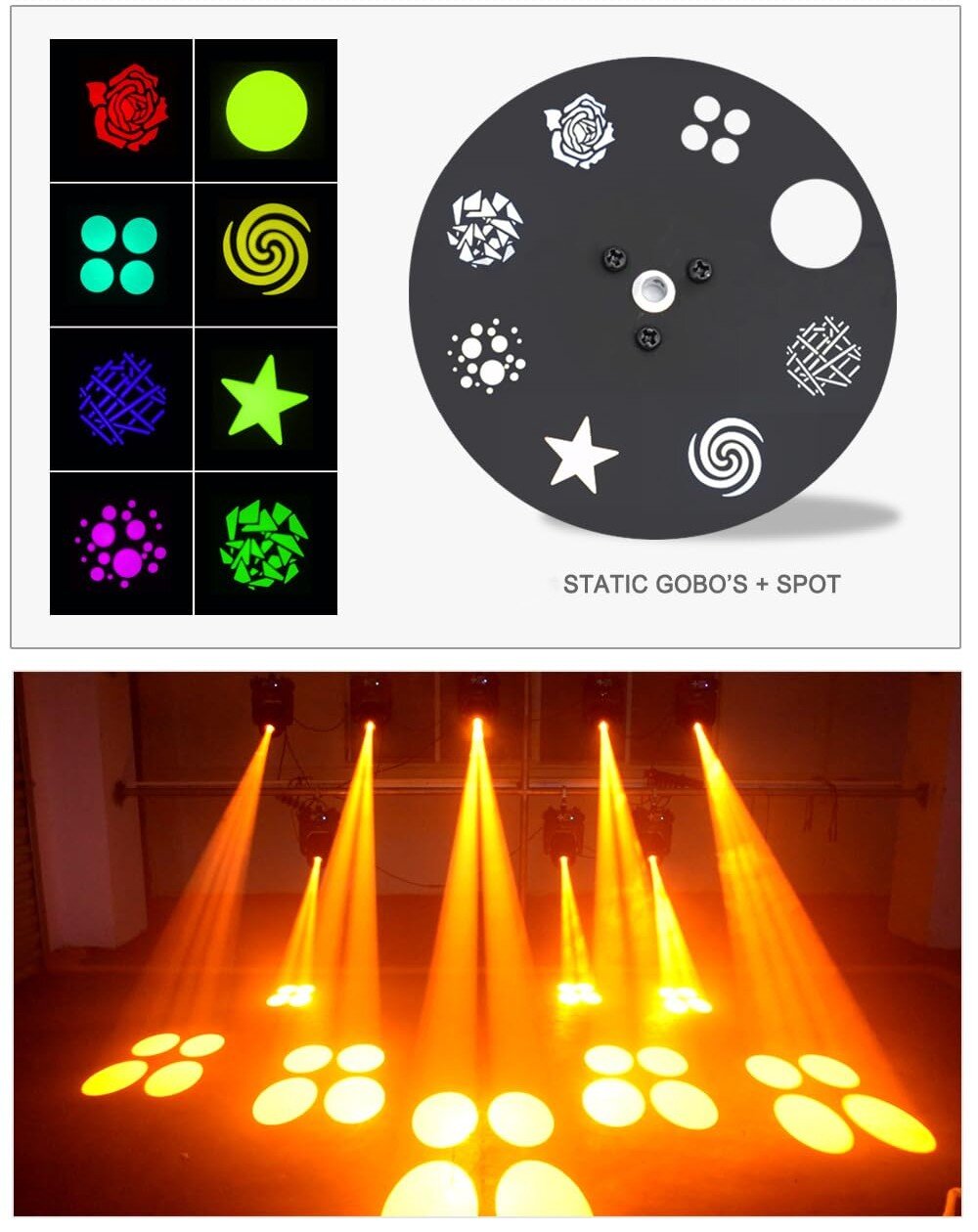
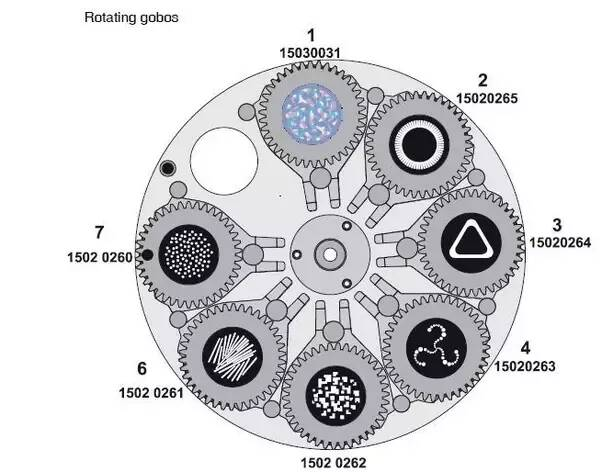
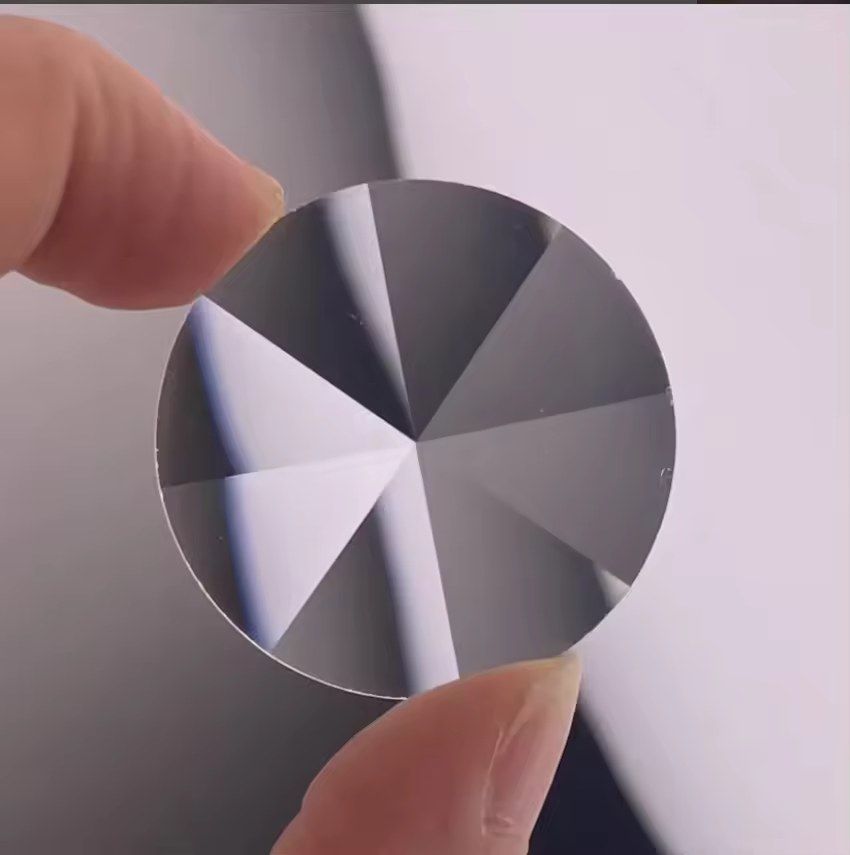
An example of a moving head fixture equipped with an 8-facet rotating prism is the evolite Evo Beam 100-CR.
Multi-Cell Wash Fixtures
Light source: LED and Laser
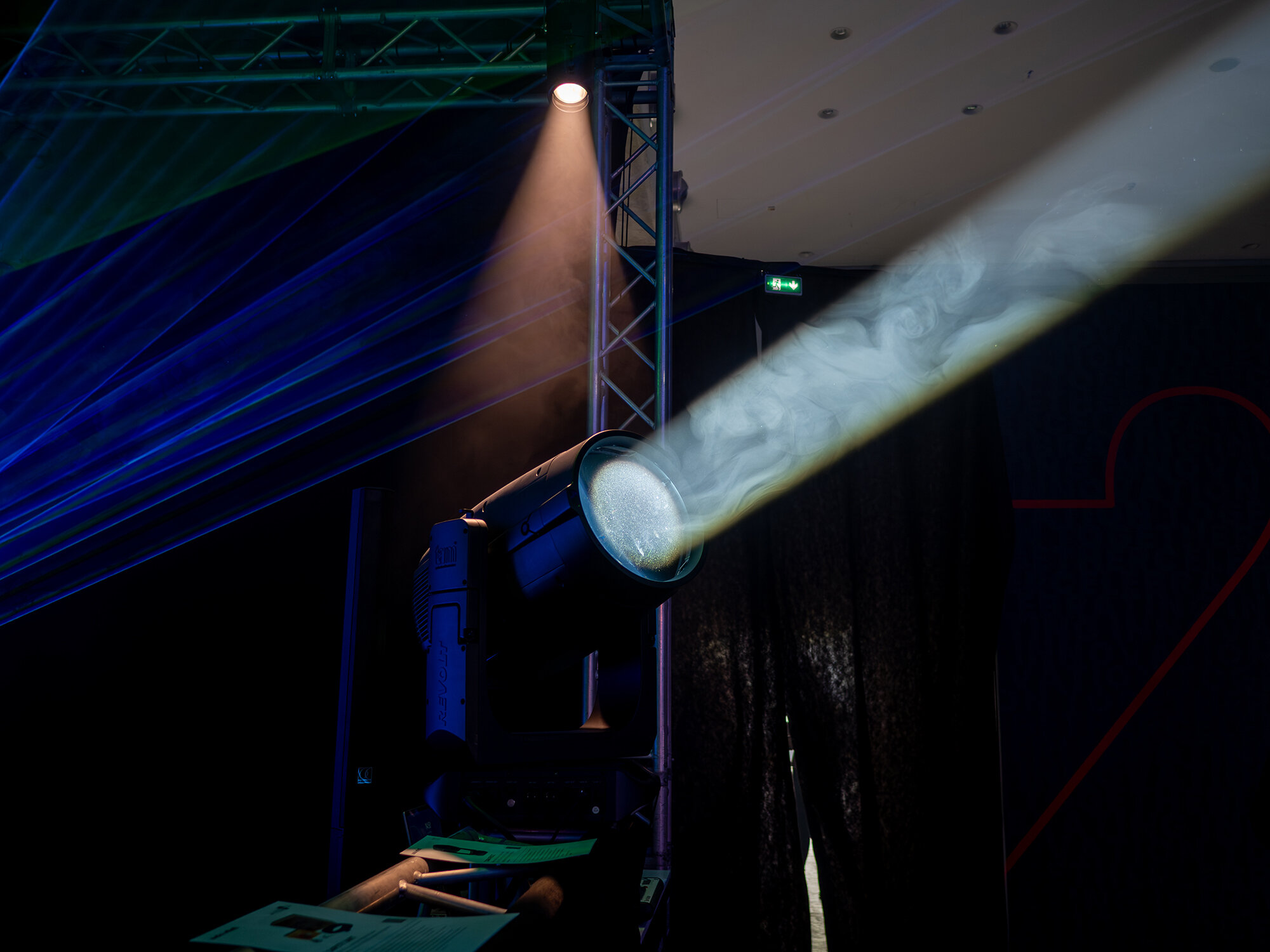
Laser systems are gaining traction where extremely narrow beams, highly saturated colors, and precise graphic definition are required. Laser moving heads use a high-power white laser source and do not rely on galvanometric scanners; the beam is shaped through internal optical modules and the Pan/Tilt movement of the fixture.
A strong reference in this field is tarm laser moving heads, known for the quality of their white laser source, beam stability over long distances, and the efficiency of their optical system — engineered to deliver significantly higher beam visibility compared to traditional sources. The range includes tarm BLAZE, tarm REVOLT, and the more recent tarm VANQUISH.
LED and laser technologies do not compete; they address different — and often complementary — requirements.
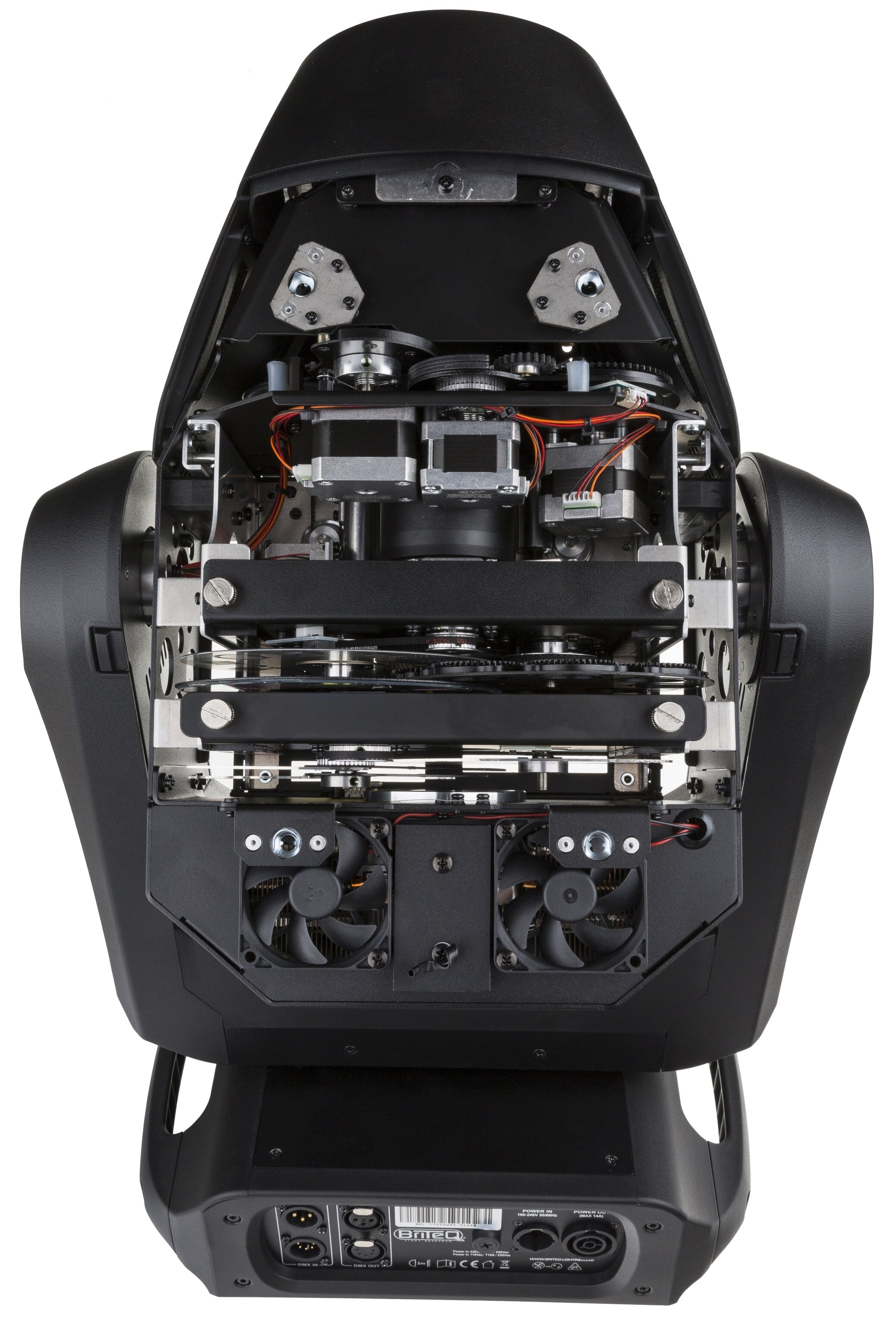
Thermal management: heat dissipation and noise control
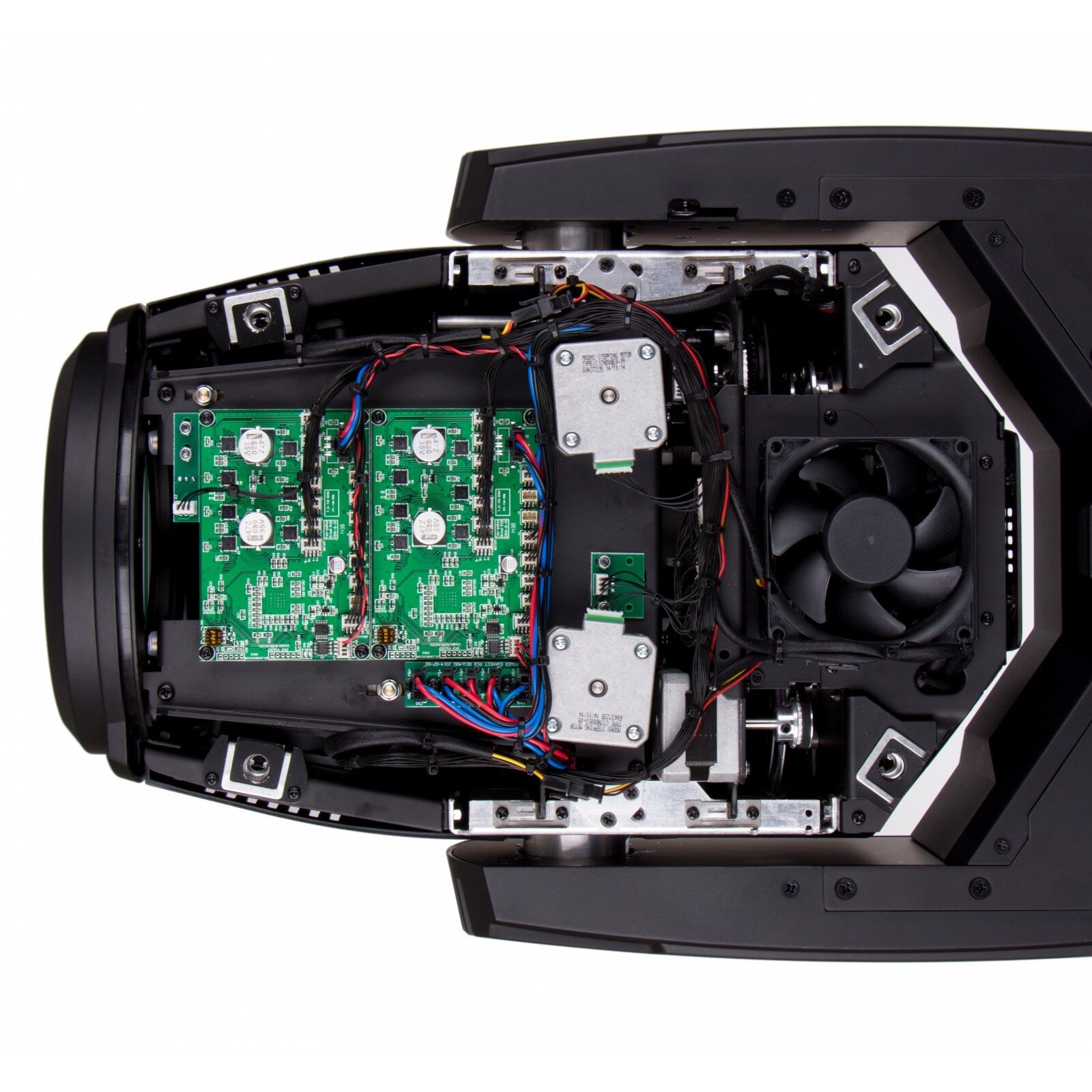
Internal electronics: wiring, circuit boards, and build quality
Build quality is also evident in details such as the use of lubricants that do not degrade or thicken over time, and the presence of mechanical protections at critical points. These are the elements that distinguish a professional product from a low-cost unit, even when the external design may appear identical.
Conclusions
Moving head fixtures are complex systems, designed with the same principles as industrial robots: precision, smooth and repeatable motion, robustness for prolonged use, and resistance to environmental conditions. Understanding what happens inside them allows technicians to assess their true characteristics—mechanical, optical, and electronic quality.
Audio Effetti offers a comprehensive range of moving head fixtures covering all professional requirements: from Spot to Wash, from Beam to the most versatile hybrid solutions, with products engineered to deliver consistent performance and long-term reliability.
Want to learn more?
Email us at international@audioeffetti.com


