
 English
  French

If it is true that special effects can transform any event, achieving uncompromising results requires careful planning. In this article, we will see how to choose the most suitable effects lineup, where to position it, and how to integrate it with lights and audio to create impactful stage settings while maintaining the highest safety standards. From spark effects to CO₂ columns, from smoke to snow machines, we will guide you in building a complete setup, analyzing workflow, synchronization, and usage criteria through concrete examples based on the professional solutions distributed by Audio Effetti.
Special effects are now an essential component of live events, theater productions, and permanent installations, and they are also finding their place in corporate conventions thanks to the growing demand for more immersive experiences. To achieve high-level results, however, it is not enough to choose a machine and activate it during the show: you need a method and a clear vision of how each effect interacts with lights, audio, set design and... the audience.
Designing a special effects setup means combining different technologies - cold sparks, flames, smoke, haze, snow, wind, bubbles, and confetti - in a coherent, safe, and synchronized way, respecting distances, regulations, and workflows typical of the live world.
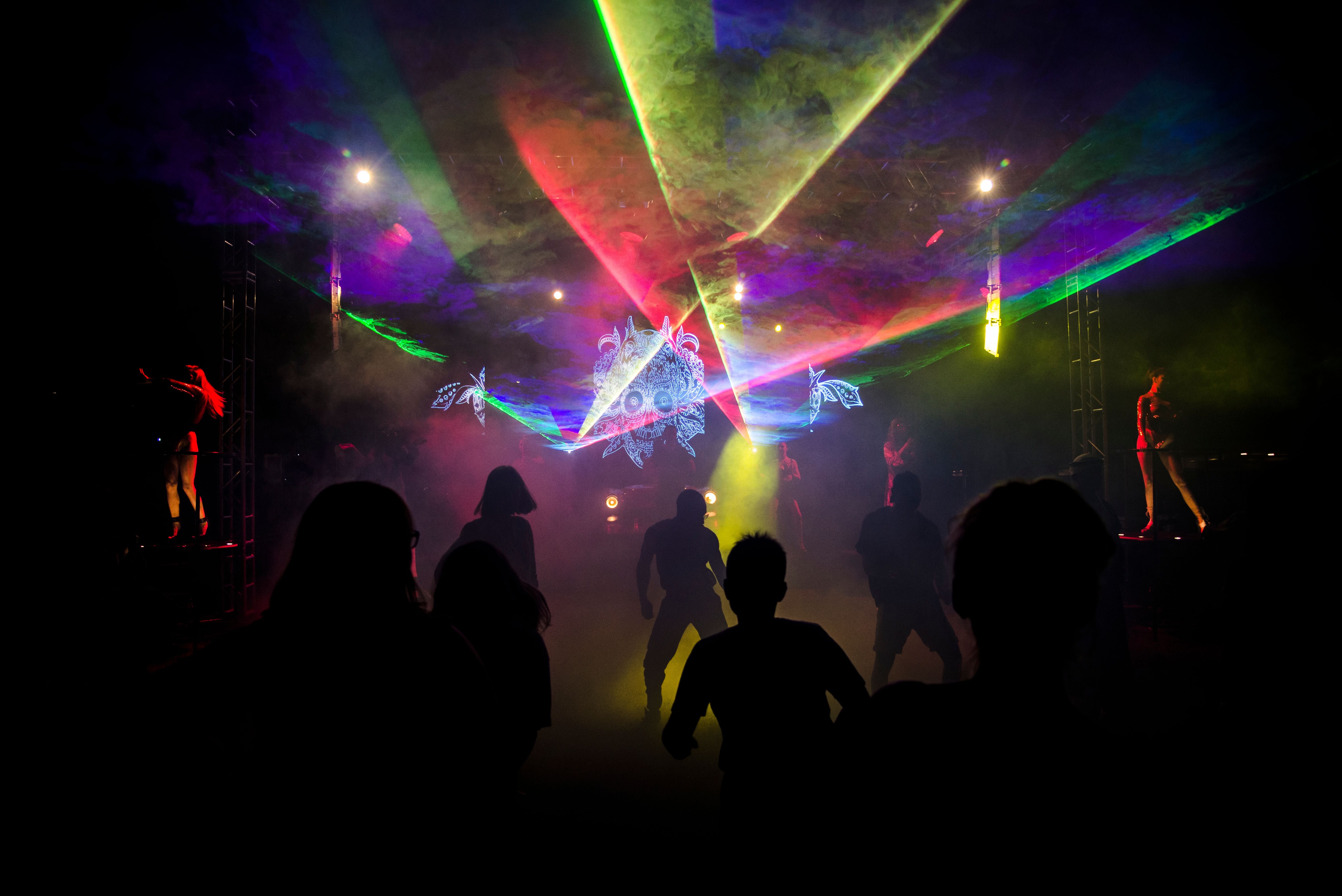
In this scenario, the management of professional lasers follows very different logic compared with the classic effect machines we have just seen. Although they are part of the world of visual solutions for entertainment, lasers respond to positioning rules, exposure calculations, and safety regulations that are completely different; for this reason, they deserve a dedicated in-depth analysis, and we will not deal with them directly in this article.
In the next lines, we will instead focus on the fundamental criteria for building an effective and integrated physical effects system: from the strategic choice of machines to their positioning on stage, all the way to full control through protocols such as DMX and Art-Net.
Choosing the right effects: the criteria for building the equipment lineup
Designing a setup always starts with choosing the technologies: each machine has a specific role, a specific visual impact, and technical requirements that determine its use. There is no "universal effect" suitable for everything; instead, there is a well-thought-out combination of technologies that must integrate with the space, the type of event, and the distance from the audience. For this reason, industry professionals and FX designers do not choose machines based only on spectacle, but also assess the brand's reliability, the precision of control, and the continuity of service.
Each technology answers a specific need:
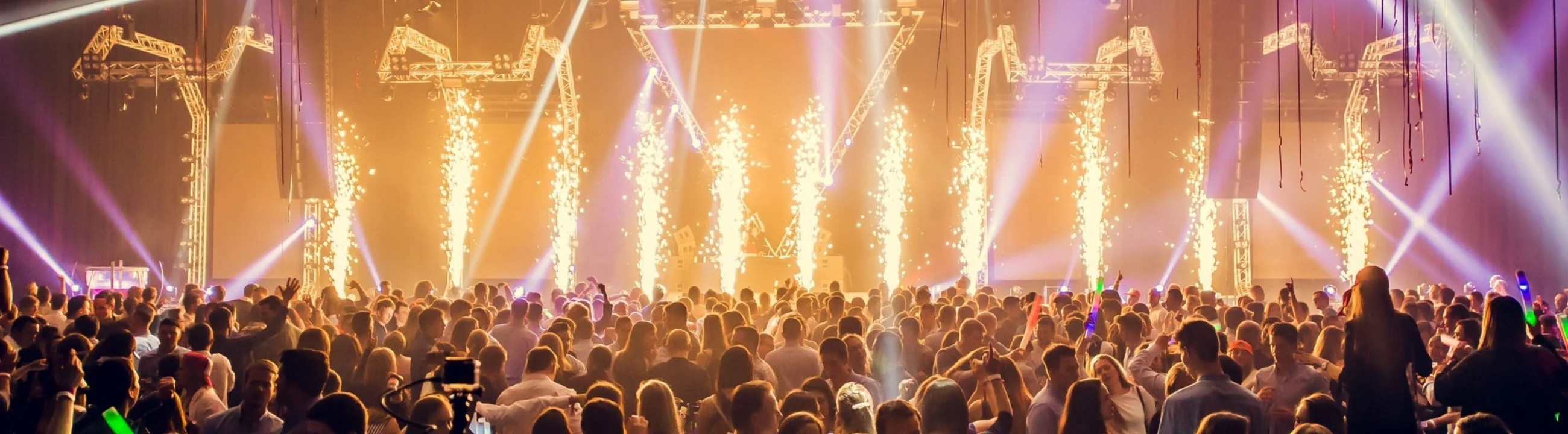
- Cold sparks (the Sparkular): perfect for scenic entrances, musical climaxes, and celebratory moments both indoors and outdoors
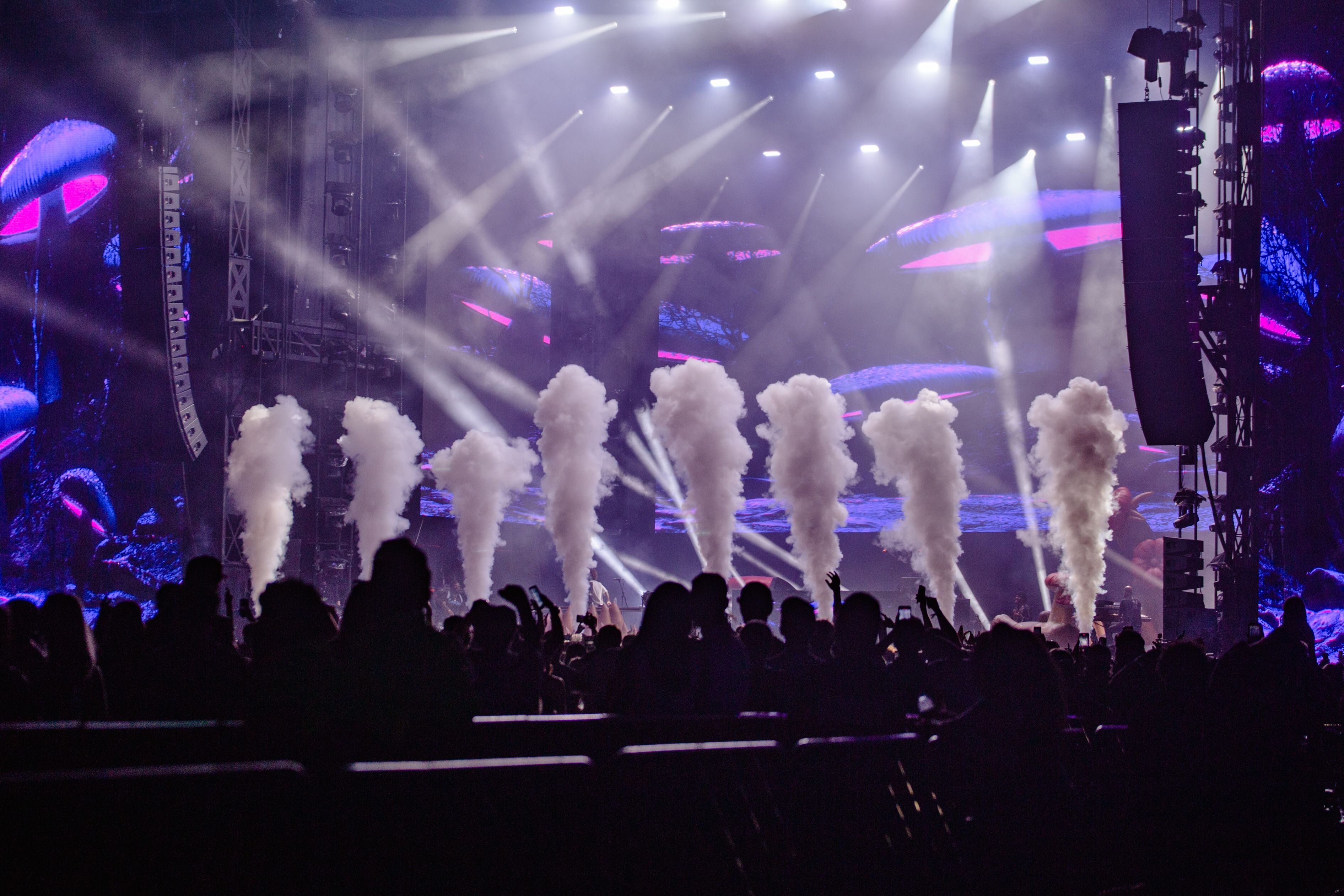
- CO₂ jets and simulators: ideal for immediate, dynamic energy bursts in festivals and clubs. Today, the market trend is to use liquid-based machines that simulate the CO₂ effect (through rapidly dissipating smoke jets, possibly combined with LEDs), such as Showven SONICBOOM ReCO2, eliminating the inconvenience, logistics costs, and safety issues related to transporting and using heavy carbon dioxide cylinders
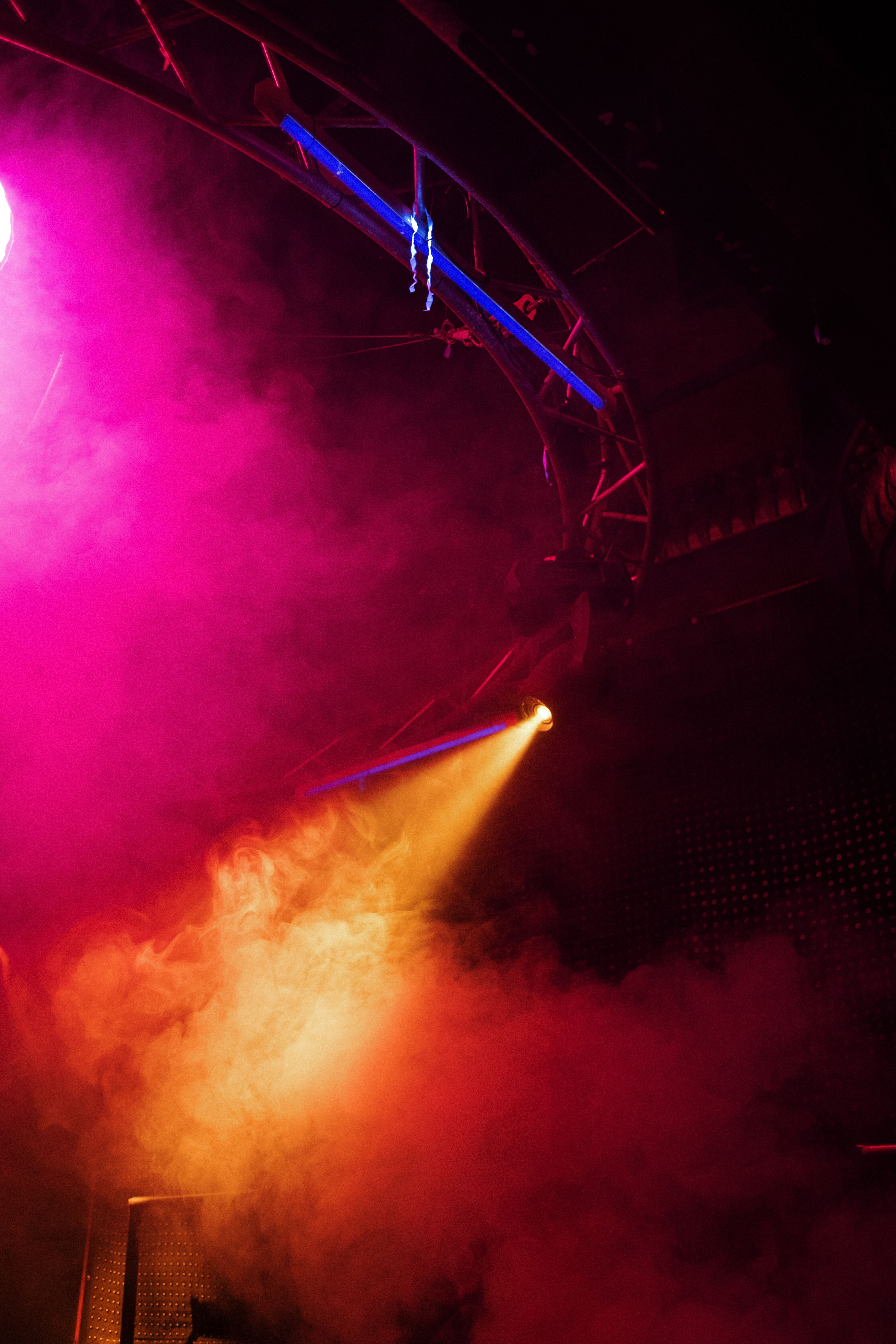
- Smoke and fine haze (haze): indispensable for giving body to light beams and lasers, turning lighting from two-dimensional to three-dimensional. An ideal Hazer for clubs or medium-sized venues is Mac Mah Mac Hazer 400
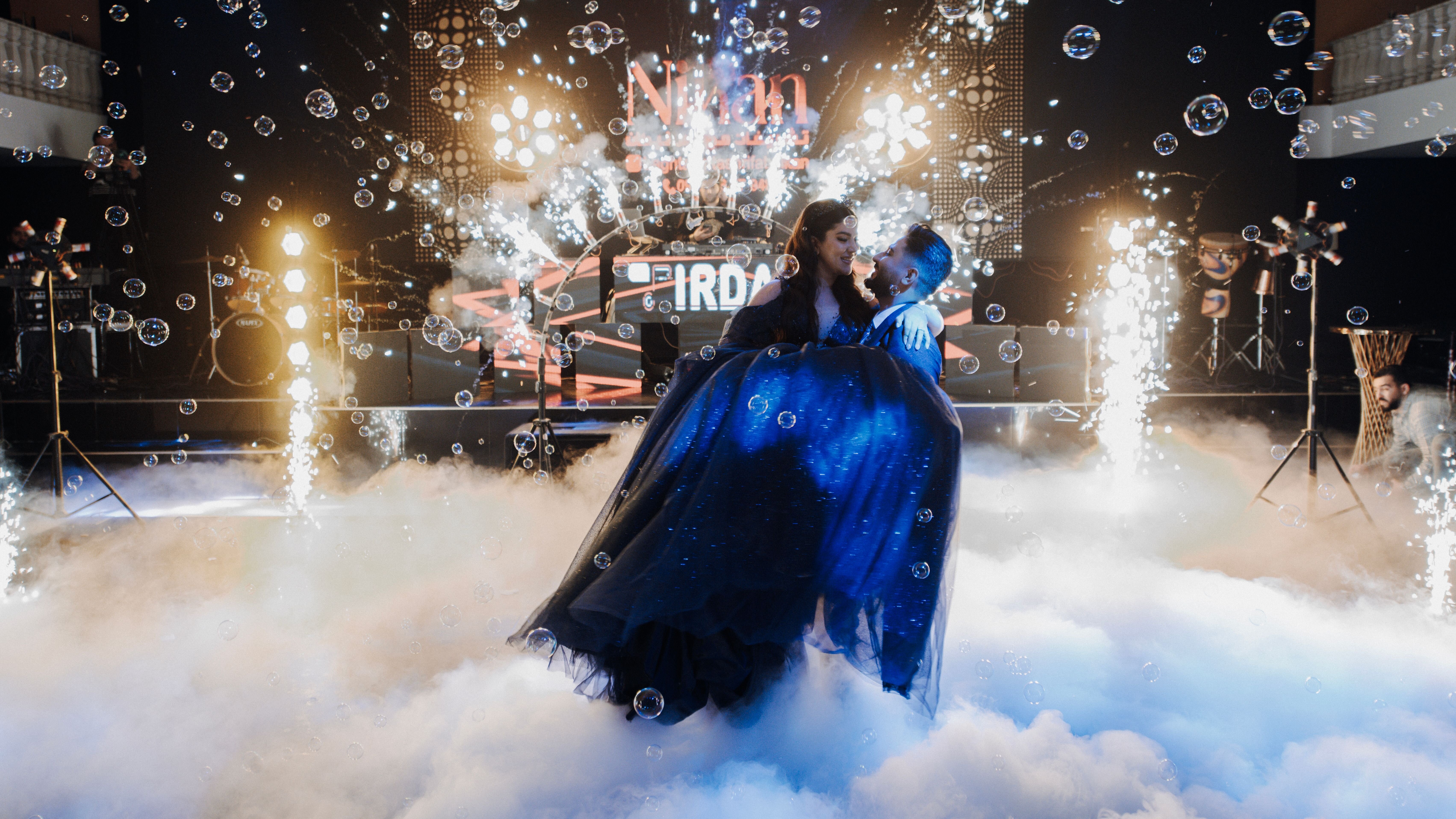
- Low fog: perfect for wrapping the stage in a magical, immersive atmosphere, ideal for theater, television, and weddings; exactly the function performed by a machine like Antari DNG-50 LOW FOG GENERATOR, which avoids the use of dry ice or liquid CO₂.
- Snow and bubbles: they create strong emotional engagement and interactive elements, especially in family events and parades. An example of a long-throw snow machine capable of covering an extremely wide area with an incredibly realistic snow effect is Antari SW-300, while for bubbles it is BoomTone DJ Bubble 60 V2.
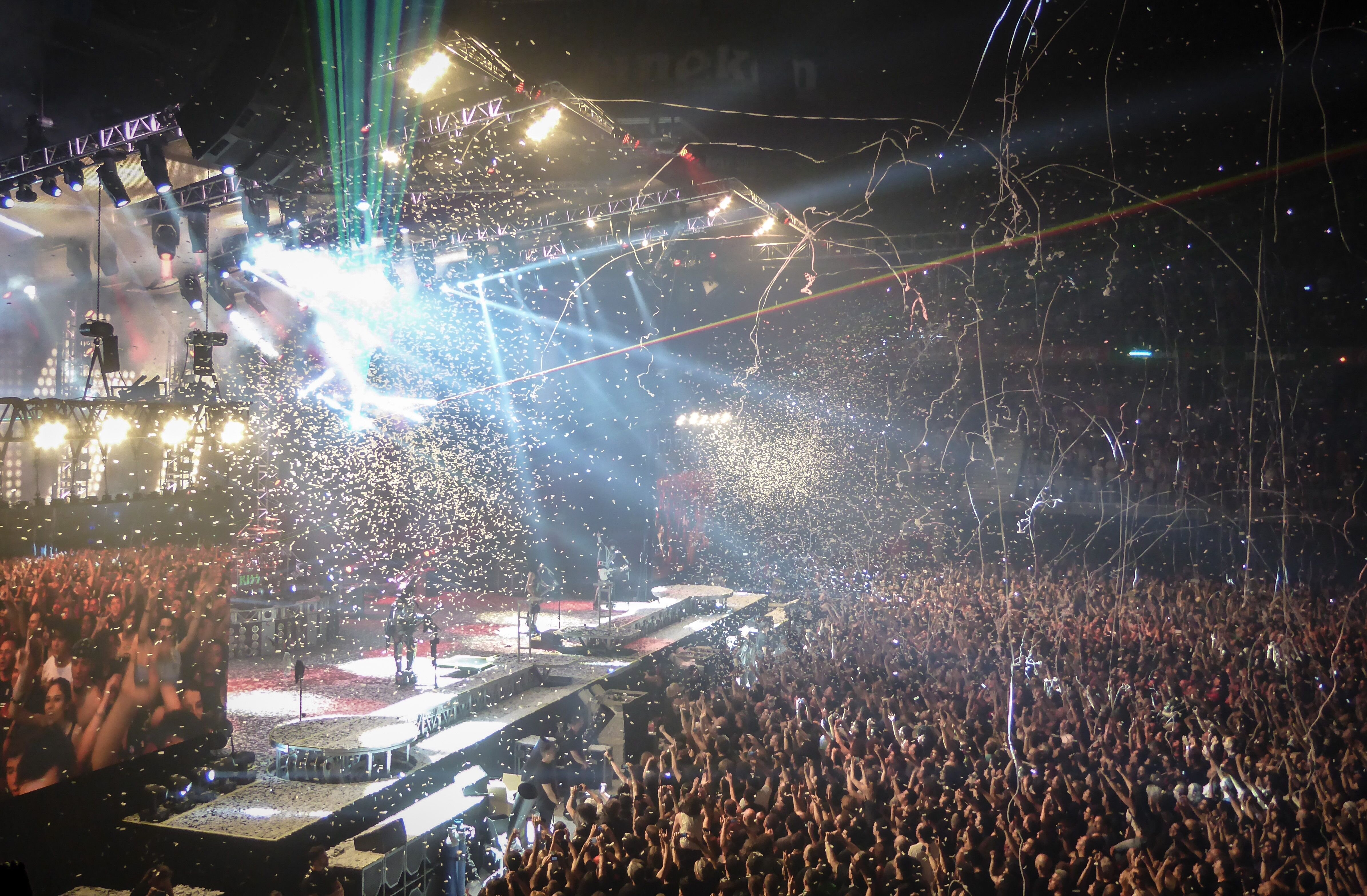
- Confetti and streamers: the timeless classic for marking the grand finale or a victory in a sporting event. In the Audio Effetti catalog, we particularly highlight DJ Power R-5, a mini two-output electric cannon with a built-in pressurized confetti cartridge as consumable material, and the innovative Showven easyFetti CL21, designed to operate without CO2 cylinders (internal self-pressurizing system) using special easyFetti confetti cannons.
At this stage, choosing the brands distributed by Audio Effetti makes the difference. We offer solutions that cover the full spectrum of special effects, guaranteeing professionals strict certifications, full control over parameters, and optimized consumption for every type of production.
Positioning and safety: creating spectacular effects without risks
Once the equipment lineup has been chosen, the next step is to define where and how to position each effect. Positioning is not only about aesthetics: it is a fundamental element for safety, visual consistency, and proper integration with the setup. Each technology requires specific precautions to function at its best and ensure a controlled show.
The "strategic" placement of the machines varies according to the type of effect:
- Vertical effects and CO2 simulators (Sparkular, rapidly dissipating smoke jets): they must be placed in areas completely free of vertical obstacles, precisely calculating the maximum height of the jet
- Flame machines: they require the utmost attention. Whether fluid- or gas-based, they create real fire and therefore must be positioned while maintaining strict safety distances from any flammable material and from trusses, where the equipment is normally mounted
- Volumetric effects (smoke and haze): they require even distribution. Placing the generators at the sides of the stage or in strategic points (also using professional fans) makes it possible to achieve uniform coverage, enhancing the light beams without saturating the environment
- Low fog: the machines work best in areas protected from air currents, which could prematurely disperse the heavy fog blanket
- Dynamic effects (snow, bubbles, confetti): the machines should preferably be suspended or angled precisely to take advantage of the natural fall of the effect onto the audience or the stage, avoiding slippery buildup.
Safety is not limited to protecting artists or performers during their performance. A safe setup protects everyone moving on stage before, after, and during the show: stagehands, backline technicians, video operators, photographers, and even guests or speakers during a corporate convention. Those walking on stage are often focused on their own work and may not notice the presence of a nozzle or a flame machine ready to fire.
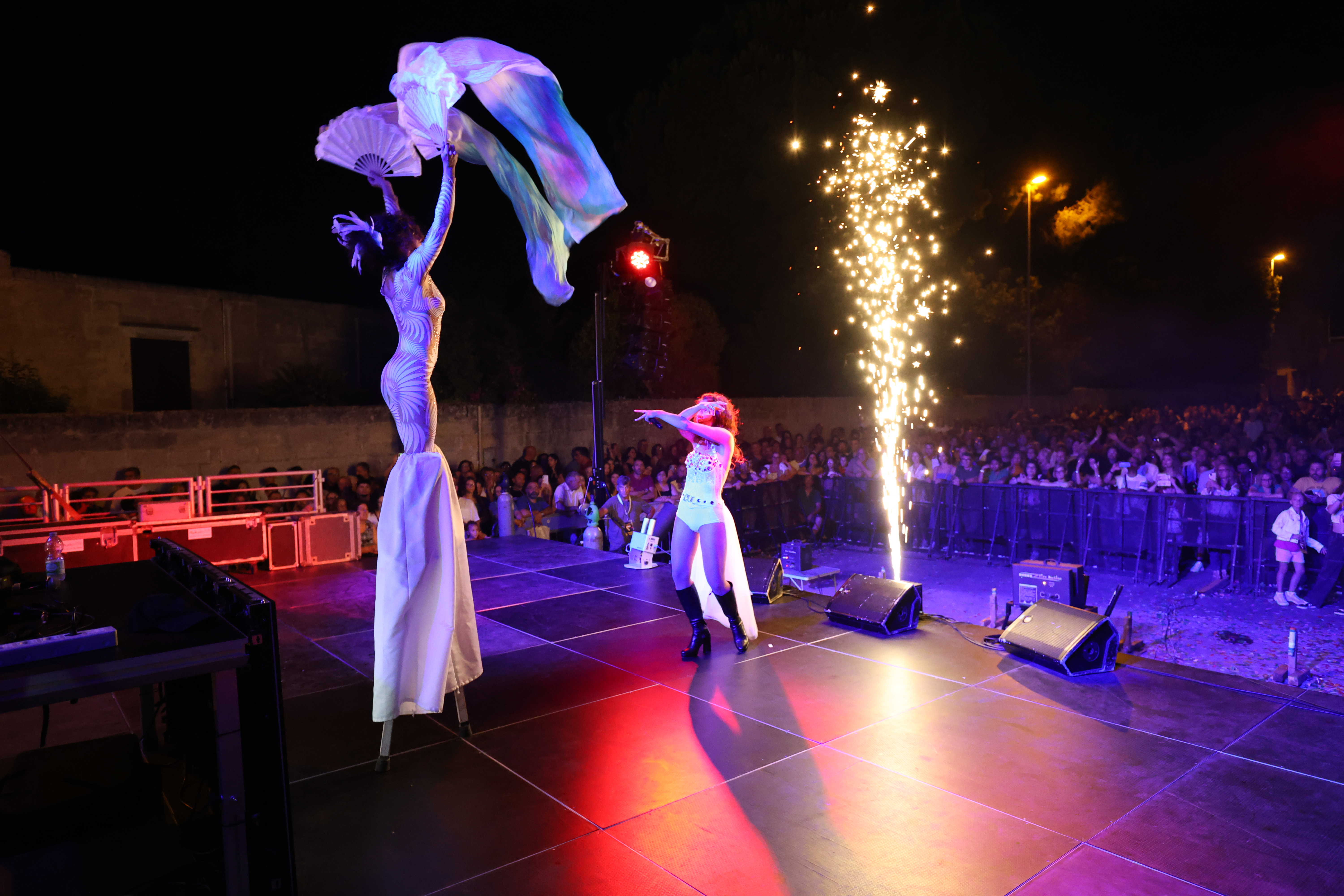
For this reason, the design must include clear visual marking of hazard areas (often delimited by LED strips or walkable tape) and provide no-go safety zones.
Moreover, a truly safe workflow is based on three fundamental pillars:
- Full control and safety channels (Safety Channel): using protocols such as DMX or Art-Net makes it possible to configure software and hardware enable channels. If the safety channel is not active, the machine cannot fire in any way, preventing accidental activations
- Integrated smart sensors: the latest flame and spark machines include anti-tip sensors. If the machine is bumped or tilts, the system immediately stops the output
- Certified original consumables and fluids: using original liquids and powders not only preserves the machine's lifespan, but also ensures that emissions are completely non-toxic, certified, and compliant with current regulations, protecting the health of those working on stage and the audience.
Integration with lights, audio, and control systems
The real difference between an amateur and a professional special effects setup does not lie only in the power of the machines, but in their millisecond synchronization. Every effect must communicate in real time with lights, audio, and video to generate a coherent and exciting stage impact. This is where advanced control protocols and direction consoles come into play: indispensable tools for guaranteeing surgical precision and maximum reliability in the field.
Total control: DMX, Art-Net, and Audio Effetti solutions
Almost all the solutions distributed by Audio Effetti support the industry's standard communication protocols, such as DMX and Art-Net. This allows FX and lighting designers to map each machine directly onto their lighting console (such as Avolites, for example), managing crucial parameters from a single point such as:
- Jet intensity and height (essential for modulating cold sparks or flames)
- Exact output time
- Color mixing and activation of integrated LEDs (in CO₂ simulators)
- Adjustment of fan speed and haze density
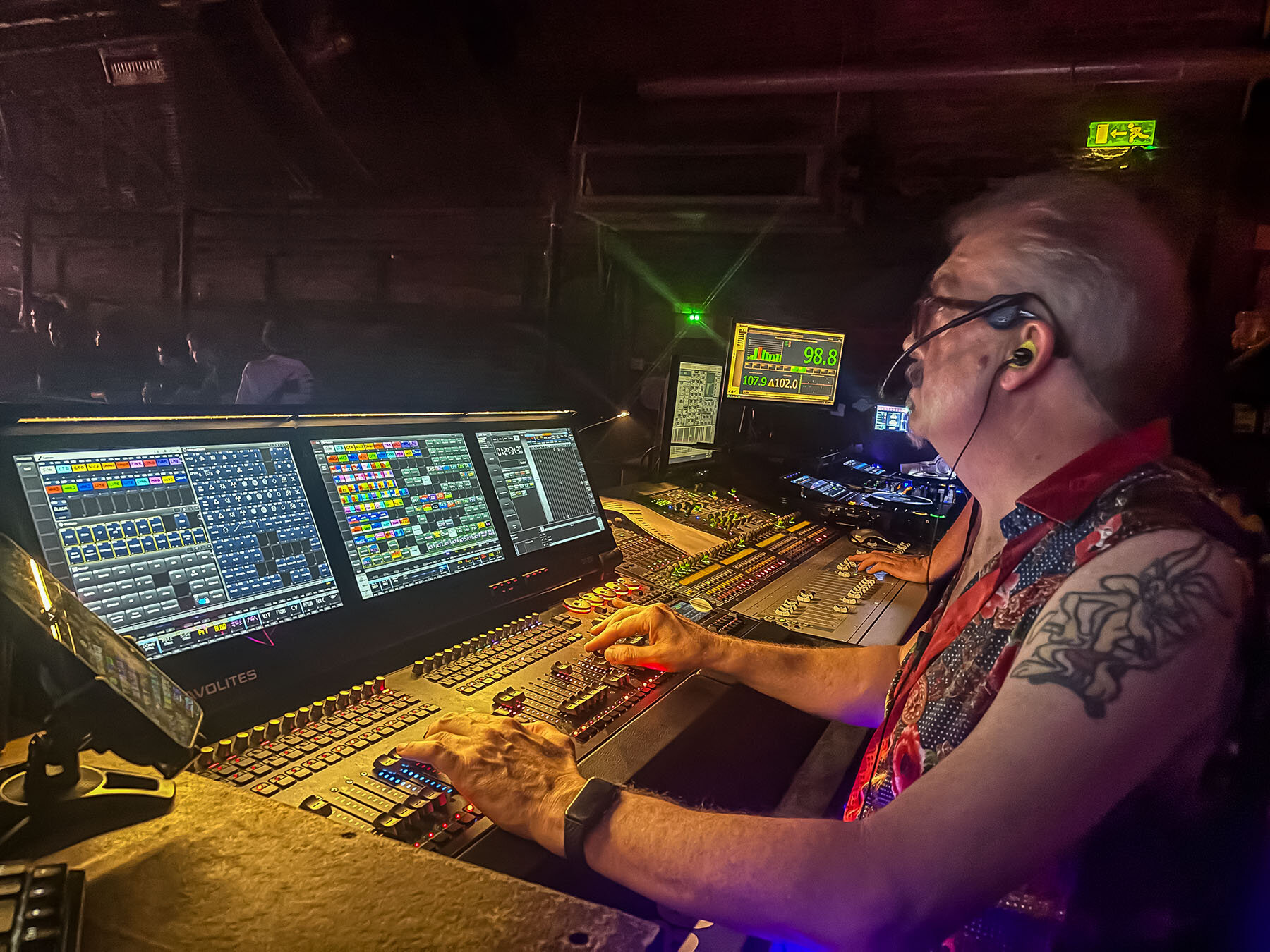
Native integration eliminates the risks linked to manual activations and makes it possible to include special effects within complex cue lists or shows timed with Time Code (SMPTE/MTC).
Multimedia synchronization and field examples
The flexibility of modern machines makes it possible to tie the visual effect inseparably to the language of the show:
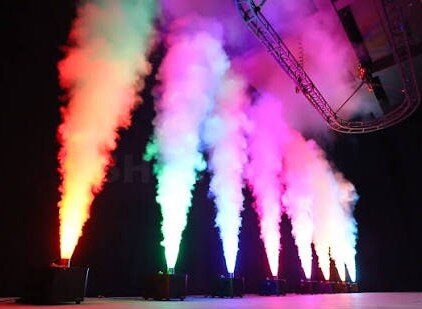
- At major festivals and clubs: LED CO₂ simulators, such as the famous SHOWVEN SonicBoom RGB or the advanced SonicBoom ReCO2, are programmed to fire colored jets exactly on the "drop" of the music track, moving in time with moving-head projectors
- At corporate conventions and product launches: a sudden vertical smoke burst or a confetti cascade (managed with The Confetti Maker or Showven) can emphasize the CEO's entrance on stage or the presentation of a new brand.
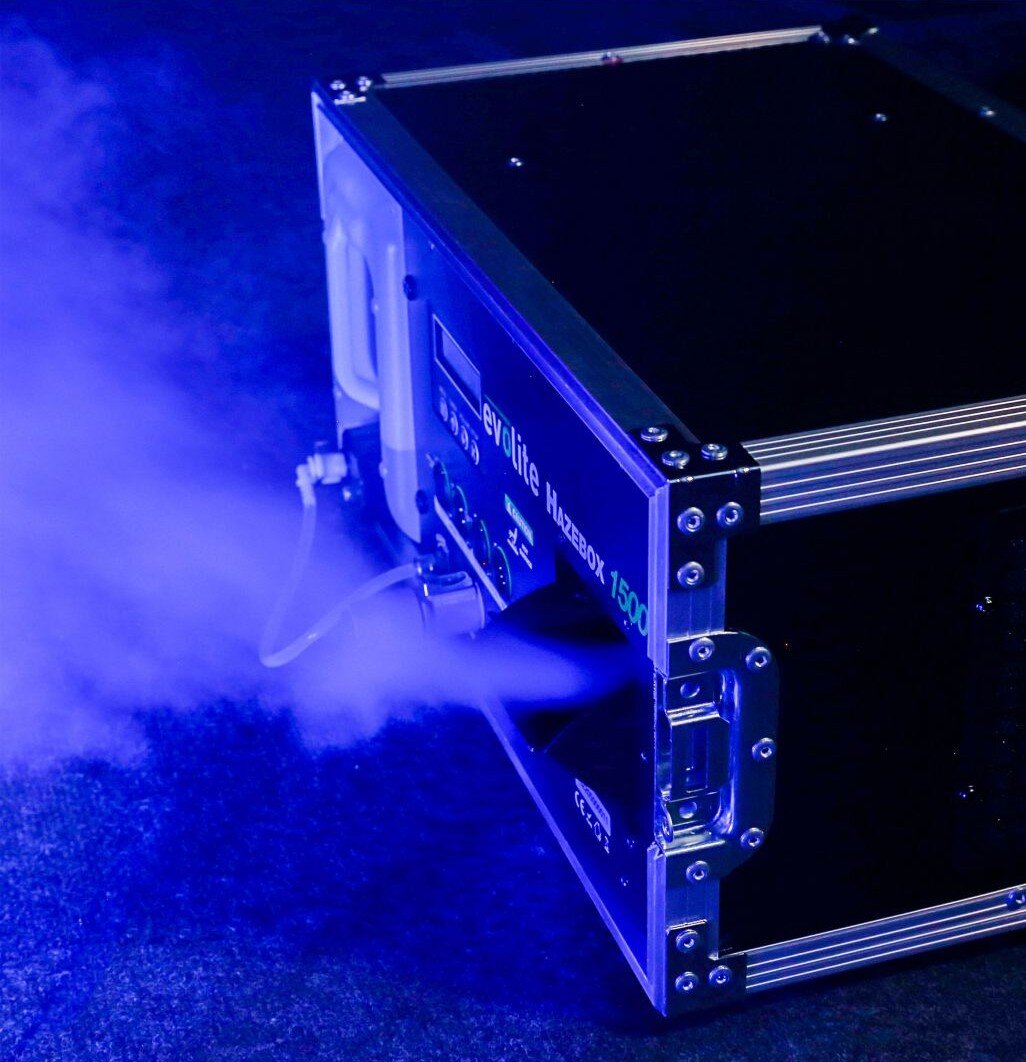
- In theater and television studios: ultra-quiet haze machines (such as Antari HZ-500 or Evolite HazeBox 1500) create an invisible, even veil that makes light beams and lasers three-dimensional without disturbing video shoots or actors' microphones.
The acoustic impact and audio management
Audio also plays a key role in setup design. High-pressure effects such as geysers or true CO₂ jets generate a strong sonic impact (the classic powerful "whoosh"). In productions of a certain level, this noise is not suppressed, but used creatively: the FOH engineer and the FX designer work together so that the machine's sonic peak blends with the frequencies of the drums or synthesizers, amplifying the show's sense of energy without covering voices or compromising the acoustic mix.
Dedicated hardware: when the lighting console is not enough
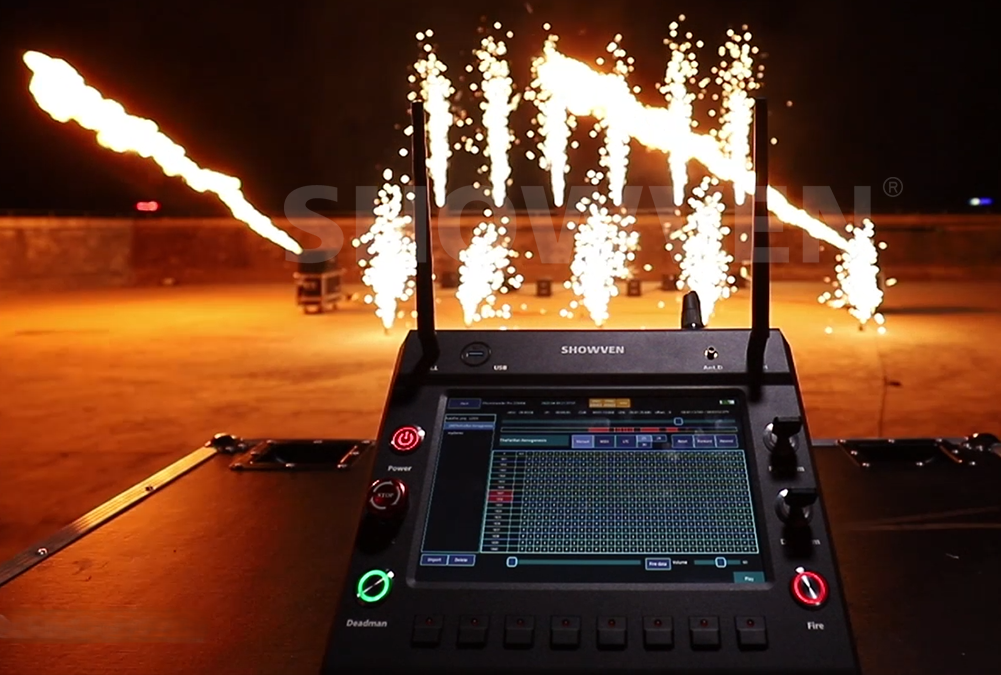
For the most complex shows, or when safety requires separate and redundant control compared with the lighting console (especially if pyrotechnic effects are also present), it is necessary to use hardware dedicated exclusively to effects management. A perfect example is SHOWVEN FXcommander, a DMX console specifically designed for controlling effects and pyro, with a layout optimized for firing cues and constant monitoring of the status of each connected machine.
Conclusion
Designing a special effects setup means combining creativity, technique, and safety to turn an event into a memorable experience. The choice of machines, their positioning, and the correct integration with lights and audio are fundamental steps to achieve high-level, repeatable, and consistent results. The solutions distributed by Audio Effetti - from Sparkulars to CO₂ simulators, from smoke/haze machines to snow and low fog systems - offer reliable and controllable tools that make it possible to build impactful stage settings in any context, from live to corporate, from theater to special events. With careful planning and suitable technologies, special effects become an integral part of the language of the show, helping create emotion, rhythm, and visual identity.
Want to know more?
For more information contact your local agent or send an email to info@audioeffetti.it


