
 English
  French

After exploring the topic of weather-resistant loudspeakers for outdoor applications last year, it is now time to look at IP65 lighting fixtures. In just a few years, they have evolved from a specialist niche for festivals, concerts, permanent outdoor installations and architectural projects—where weather conditions are always an unknown factor—into a widely adopted, cross-sector choice across the professional lighting industry. In this article, we will briefly revisit the concept of IP protection ratings, focus on the construction aspects behind all-weather fixtures—what it really means, in practical terms, to make a lighting fixture suitable for outdoor use—and conclude with an overview of the most significant IP65 fixtures available in the Audio Effetti catalogue, regardless of product type, intended application or price range.
The logic behind IP ratings is now familiar to professionals in our industry: it is frequently discussed in professional applications because it is a fundamental feature for any device intended for outdoor use.
In very simple terms, the two digits that follow the “IP” acronym (Ingress Protection) indicate:
- The first digit → protection against solid objects, such as dust and particles
- The second digit → protection against water, including dripping water, splashes, jets and immersion
A complete table is available here.
In theory, it would be possible to achieve an absolute level of IP protection. In practice, however, the laws of physics and the construction technologies used in the entertainment industry lead to a number of commonly used IP ratings, based on how equipment is designed and built, such as IP20, IP44, IP65 and IP68.
One of the most common ratings for lighting fixtures, as well as for other types of equipment, is IP65, where:
- 6 means fully protected against dust
- 5 means protected against water jets from all directions
In practical terms, this means that the fixture can operate outdoors in the rain, in dusty environments, near fountains or in settings where water cleaning is expected—within certain limits—without compromising its electronics or optics, provided it is installed correctly.c
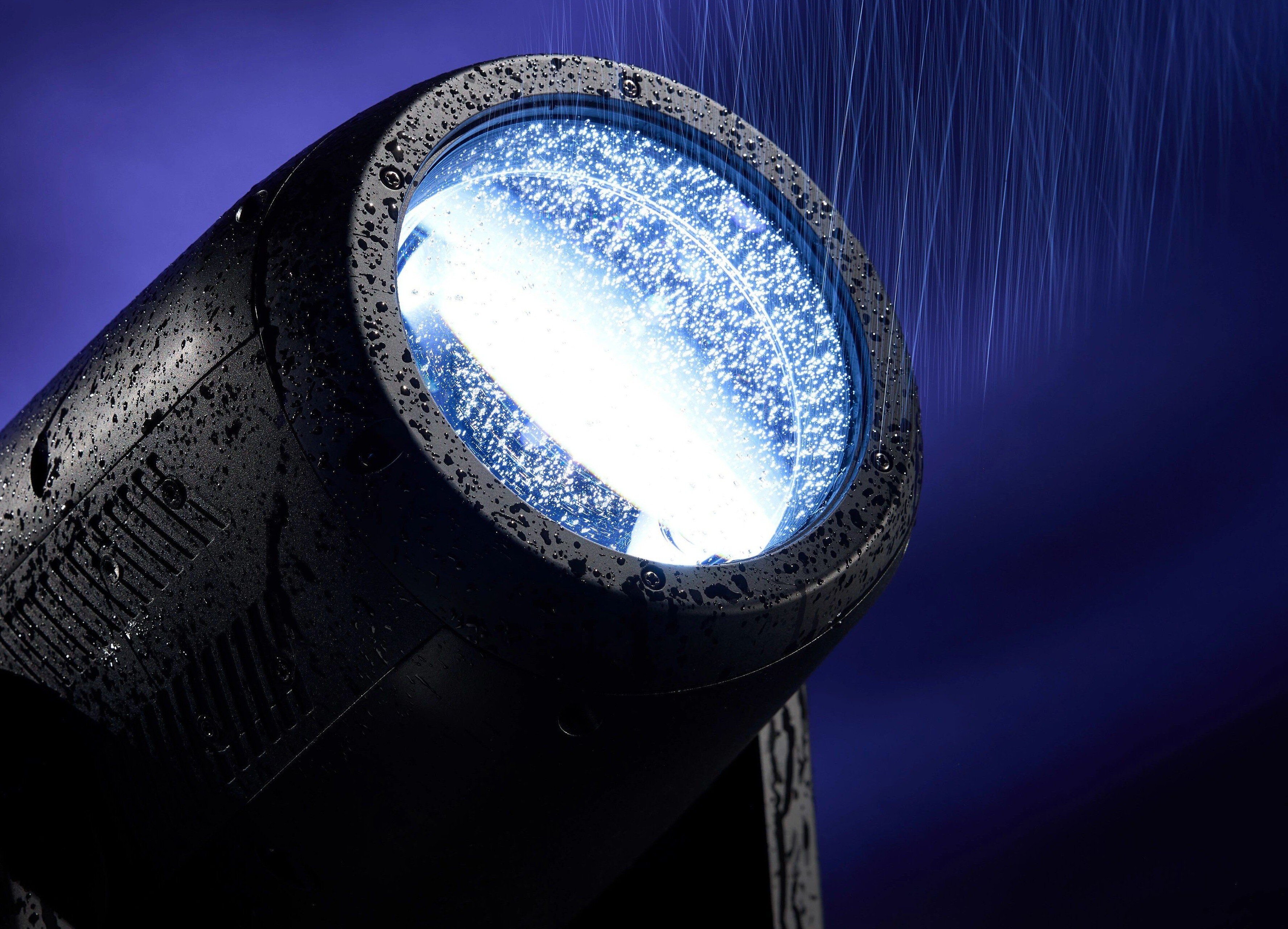
IP68 and IP69 models offer even higher levels of protection. Depending on the manufacturer’s specifications, IP68 equipment may be designed for continuous immersion, while IP69 provides enhanced protection against high-pressure, high-temperature water jets.
It is important to note that an IP rating is a classification, not a certification, as is often incorrectly stated. IEC 60529 defines the levels of protection, but it does not require a third-party body to certify an IP rating: manufacturers may declare compliance themselves, potentially supported by laboratory testing. Certification, by contrast, requires an independent organisation to verify compliance and issue an official document.
This means that, even if a fixture has been tested with high-pressure water jets for a specific period of time, this does not automatically guarantee that it will withstand hours of extreme or abnormal conditions. The same principle applies to watches labelled as waterproof: the theoretical depth rating does not necessarily correspond to real-world conditions of use, and an impact—such as diving into water while wearing the watch—or sudden movement may still increase the risk of water ingress. Likewise, an IP65 fixture left exposed to hurricane conditions may show signs of water ingress while remaining fully compliant with its rating.
Finally, it is worth noting that this is not the only classification system used for equipment designed to operate in demanding environments. In addition to IEC 60529, which defines IP ratings, there are also UL classifications established by Underwriters Laboratories, a US organisation specialising in electrical and fire safety. Unlike IP ratings, which describe protection against dust and water in considerable detail, UL classifications are more concise and place products into three main categories: Dry Location, Damp Location and Wet Location.
These definitions do not indicate a degree of waterproofing in the strict sense; instead, they specify the type of environment in which equipment can be safely installed. Unlike IP ratings, UL classifications cannot be self-declared: they require specific testing and a formal certification process carried out by the organisation. IP and UL are not mutually exclusive; they address different aspects and can, in some cases, coexist on the same product. IP indicates how well a fixture resists dust and water, while UL indicates where it can be safely installed.
Construction techniques for weatherproof lighting fixtures
Making a fixture genuinely all-weather is not simply a matter of enclosing it in a sealed housing or adding a few gaskets here and there. An IP65 rating is the result of a combination of design choices involving mechanics, electronics, materials and thermal management. It is a delicate balance: the fixture must prevent water and dust ingress while also dissipating heat, avoiding internal condensation and delivering consistent performance over time, especially in challenging environmental conditions.
The first barrier is always the housing itself. IP65 fixtures generally use die-cast aluminium chassis, with mating surfaces designed to accommodate silicone or EPDM gaskets—elastic materials that maintain their seal even after years of exposure to sunlight, temperature changes and vibration. Screws, often underestimated, are also a critical point: without dedicated O-rings or recessed mounting points, they can become a route for water ingress. The same applies to the front glass, which is sealed with specific adhesives and gaskets to prevent water from entering between the lens and the housing, one of the most sensitive areas of all.
Alongside mechanical sealing, internal electronic components must also be protected. LED drivers, PCBs and connectors are treated with protective resins or conformal coatings—special coatings applied to electronic components—to prevent moisture from reaching the most sensitive parts. This creates a “second line of defence” in case a small amount of moisture manages to pass through the outer housing barrier. The protective resin can be applied to one or both sides of the board. Naturally, the amount applied also matters: the greater the protection, the higher the IP rating that can potentially be achieved.
Another essential aspect concerns connectors and cable entry points. Every opening represents a potential path for water ingress, which is why IP65/IP67 cable glands and sealed connectors such as powerCON TRUE1 or XLR/DMX connectors with protective caps are used.
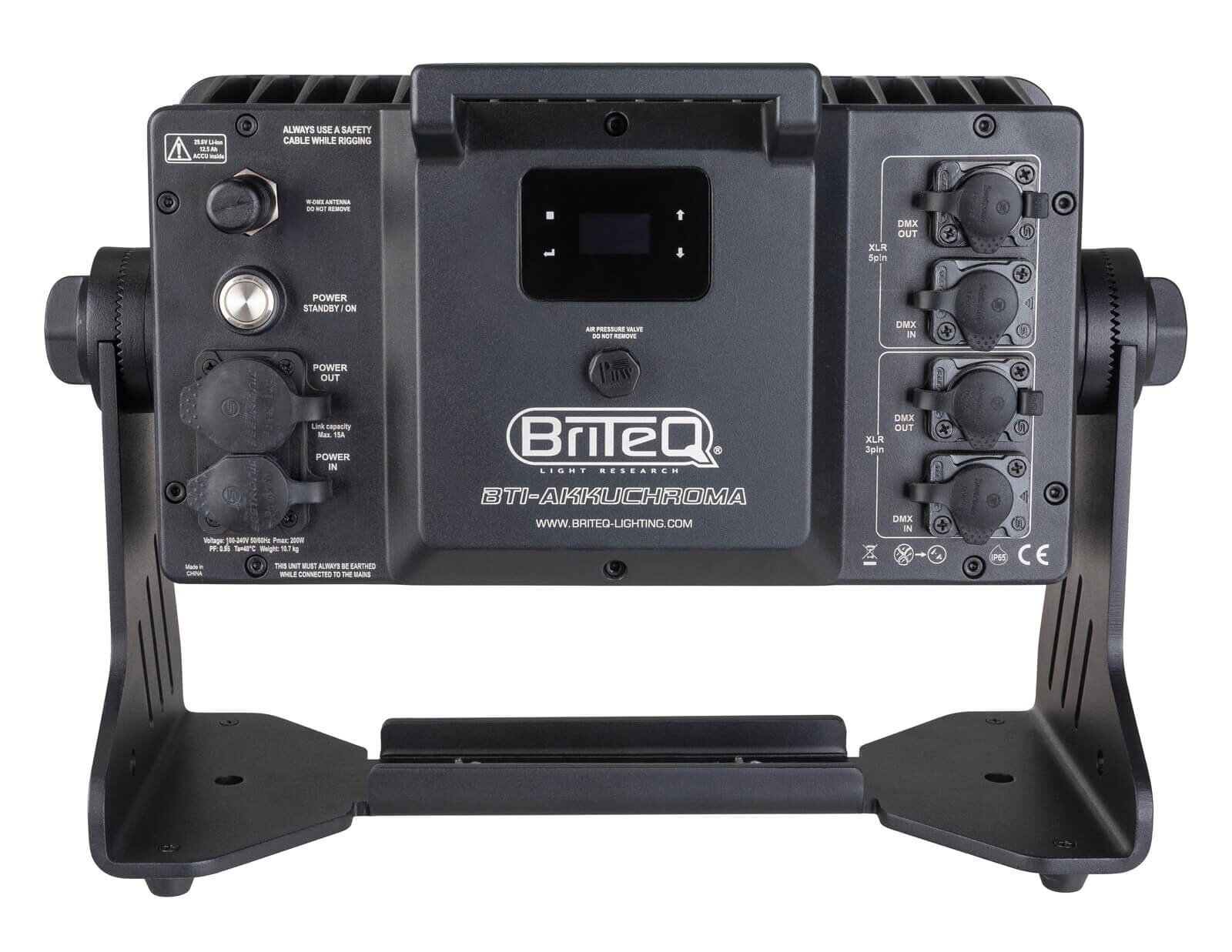
One of the most interesting aspects is internal air management. An IP-rated fixture cannot be completely hermetically sealed: air changes volume as temperatures fluctuate, and if it cannot escape, it creates internal pressure that can deform internal parts, gaskets and seals. For this reason, breathable membranes or pressure-equalisation valves are used, similar to those found in precision mechanical instruments: they allow air to pass through while preventing water from entering. This is also the most effective way to reduce condensation on internal lenses, a very common issue in lower-cost products.
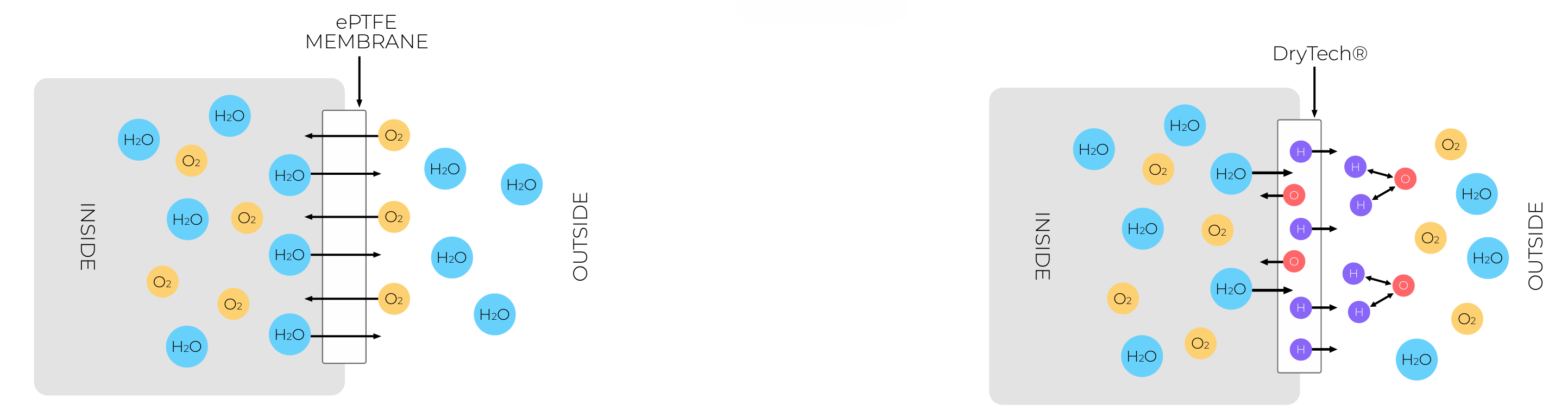
In this regard, one of the most effective technologies developed in recent years is SGM’s DryTech, with SGM now represented in the lighting sector by Audio Effetti. It combines two elements: a patented active dehumidification process and the design principles and materials used to manufacture IP-rated, corrosion-resistant housings.
At the heart of DryTech is a controlled electrolysis process: a small electrical current passes through an internal membrane, splitting water molecules in the air into hydrogen and oxygen. In this way, moisture is removed directly from inside the fixture, drastically reducing the risk of condensation, oxidation and damage to electronic components.
This is a very different approach from that adopted by other manufacturers, which often rely on disposable moisture-absorbing packs or generate heat to evaporate water. DryTech, by contrast, is an active and permanent system that operates at molecular level and does not require periodic replacement.
Today, in the architectural and entertainment lighting sector, DryTech remains the only truly active dehumidification technology integrated into lighting fixtures. This is one of the reasons why SGM products are particularly valued in long-term outdoor installations, where the internal stability of the fixture is just as important as protection against rain and dust.
These and other design measures work together to create a fixture that is genuinely suited to outdoor use. Thanks to this evolution in construction, IP65 fixtures have become an increasingly common choice for festivals, permanent installations and architectural projects, where reliability and reduced maintenance make a real difference.
A selection of Audio Effetti solutions
Motorised moving-head fixtures
Within this specific category of fixtures, we would particularly highlight:
- Briteq BTI-BLIZZARD: within the Audio Effetti catalogue, this series of eight models represents one of the most comprehensive and reliable solutions for professionals looking for IP65 motorised moving heads. These fixtures are designed to operate in demanding weather conditions, with sealed housings, protected optics and output levels suitable for large-scale stages. The philosophy is clear: to deliver high-end touring performance with the robustness required for year-round outdoor use, without the need for continuous maintenance. The range includes several versions, from Wash to Profile models, with both LED and laser light sources.
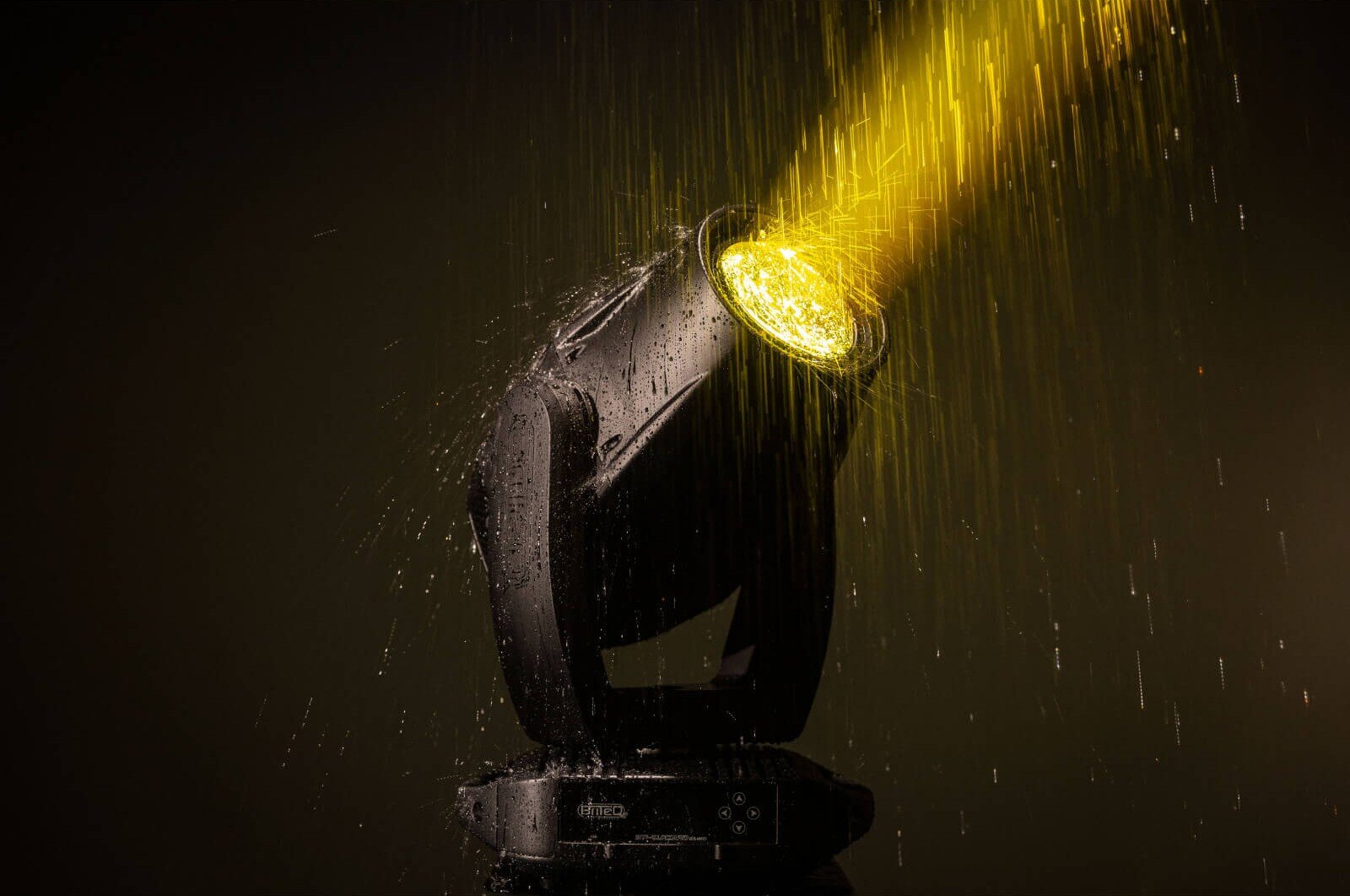
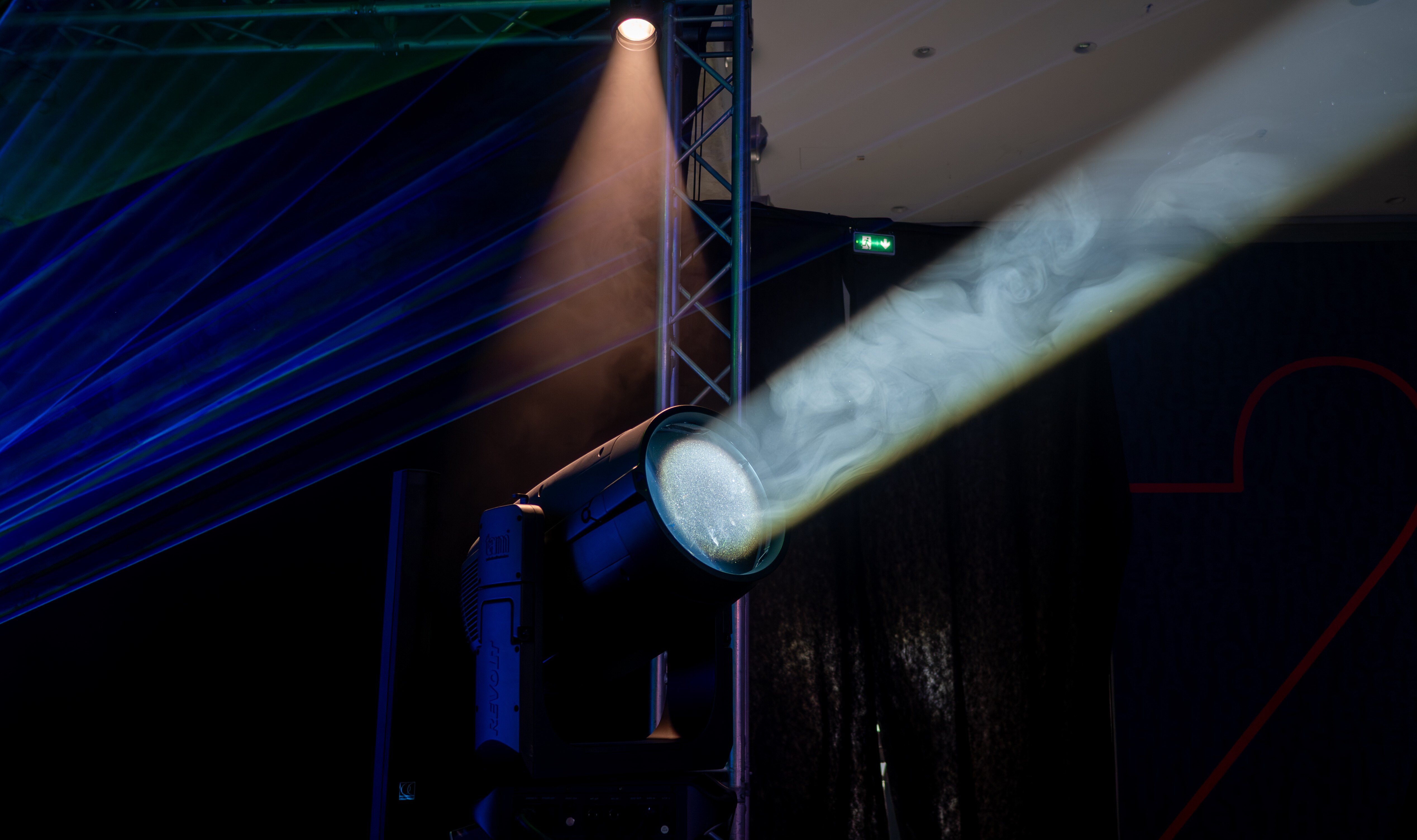
- Tarm BLAZE e REVOLT: laser-source fixtures delivering exceptional brightness and zoom functionality, allowing precise control of the beam angle to achieve an almost parallel beam with extremely low divergence and excellent long-distance visibility. In particular, they are built using durable materials such as magnalium and die-cast alloys, and are rated IP66 to ensure reliable weather protection. Their robust construction supports dependable operation in demanding outdoor conditions, across a temperature range from -20 °C to 45 °C.
LED bars
Within this product category, we would highlight:
- Briteq BTI-LIGHTSTRIKE IP66: an extremely powerful hybrid LED bar designed for CW strobe effects and RGB pixel mapping. It features 112 CW LEDs and 672 RGB LEDs arranged across 32 zones. It supports DMX, RDM, Art-Net and sACN, with extended modes offering up to 123 channels for pixel-by-pixel control.
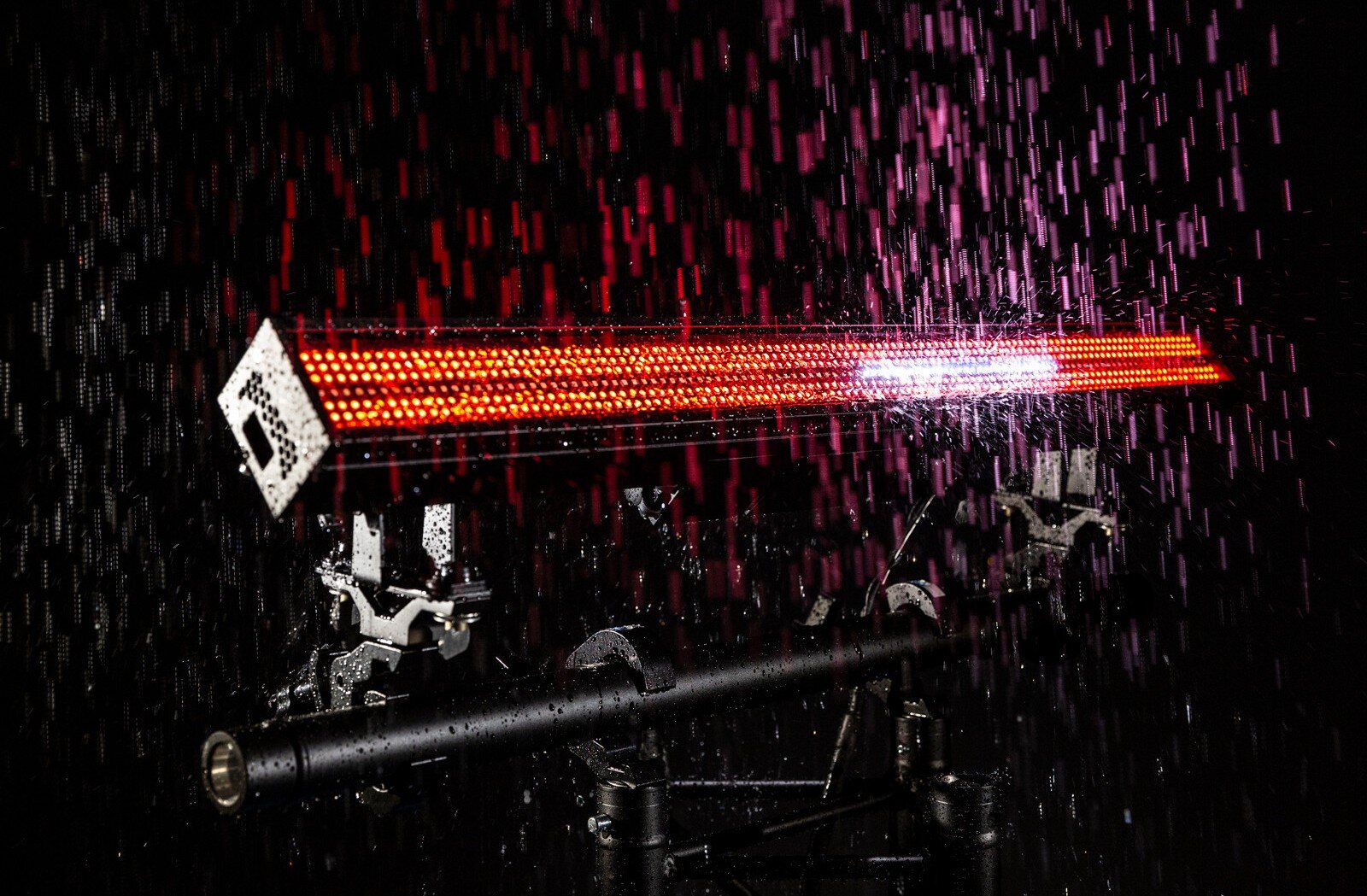
- Briteq BTI-BEAMBAR18: a 1-metre LED bar featuring 18 × 25 W LEDs and narrow 6° optics, designed for powerful, sharply defined beam effects even in large spaces. Rated IP65, it offers full pixel control, an integrated effects engine and compatibility with DMX, Art-Net, sACN and RDM.
LED PAR fixtures
This is undoubtedly the category with the widest range of outdoor fixtures, so a selection is necessary.
Among compact fixtures for outdoor use, Briteq’s IP65 LED PAR range offers an exceptionally versatile solution: robust, powerful and designed to deliver a clearly defined light output even in open environments, in the rain or in dusty conditions. These fixtures are intended for permanent installations, outdoor events and architectural applications, with a broad choice of output levels, optics and configurations to suit virtually any professional scenario.
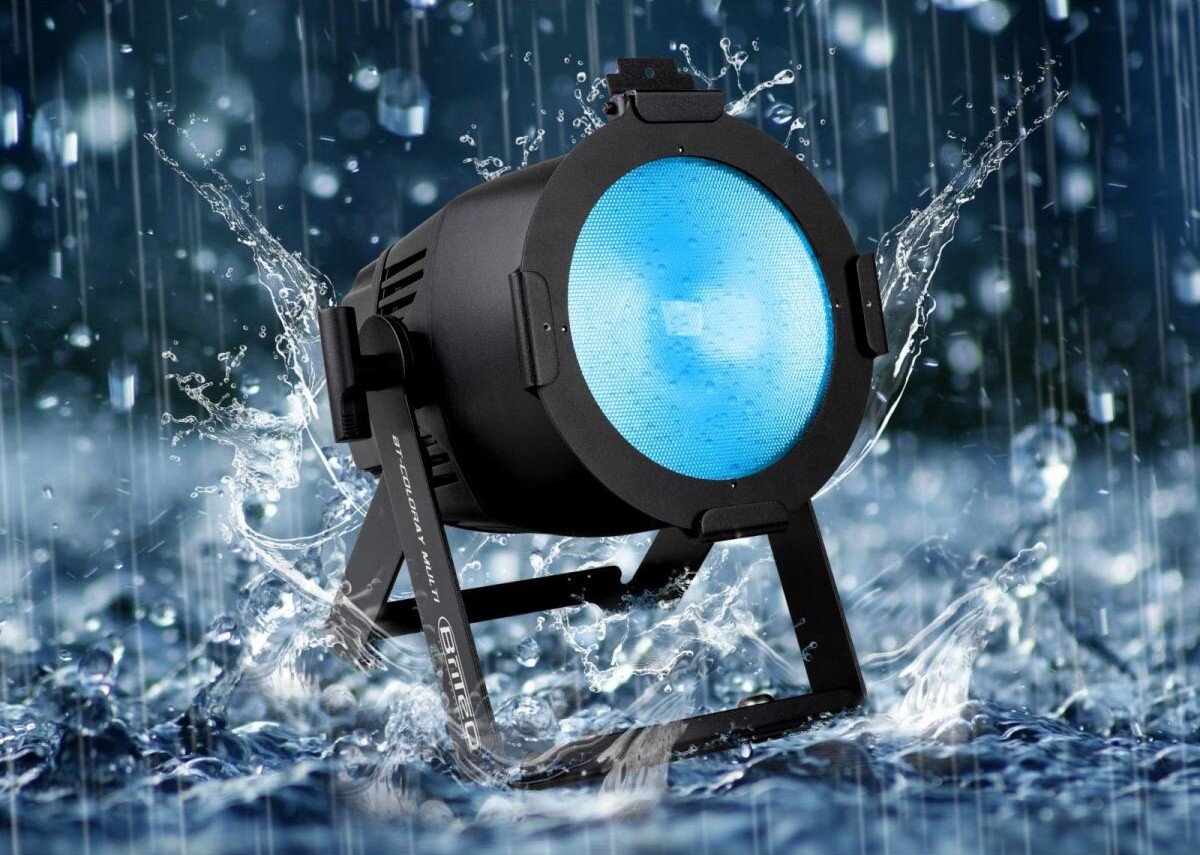
- Evolite offers three models in its catalogue: PARCOB150 RGBW IP, IPAR740RGBW-Z e IPAR400VW-Z. The first is a 150 W RGBW 4-in-1 LED architectural fixture designed for illuminating exterior or interior building façades. The second features an IP65 housing for temporary outdoor use and is equipped with 7 × 40 W RGBW 4-in-1 LEDs. The third offers considerable flexibility thanks to its motorised zoom range from 10° to 50° and its two separate LED sources: one 200 W warm-white LED at 2700 K and one cool-white LED with the same output at 6500 K.
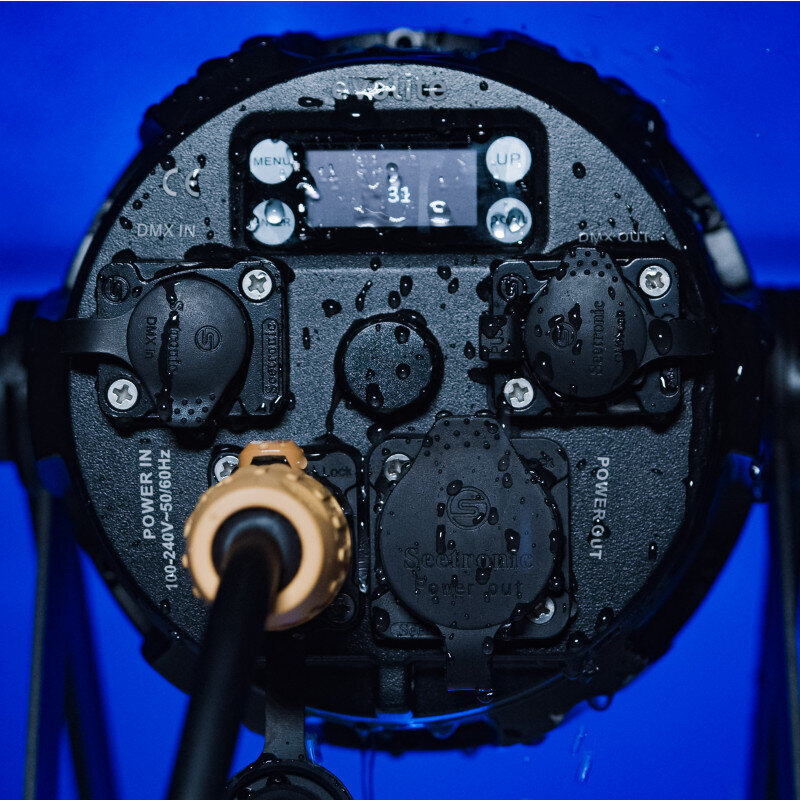
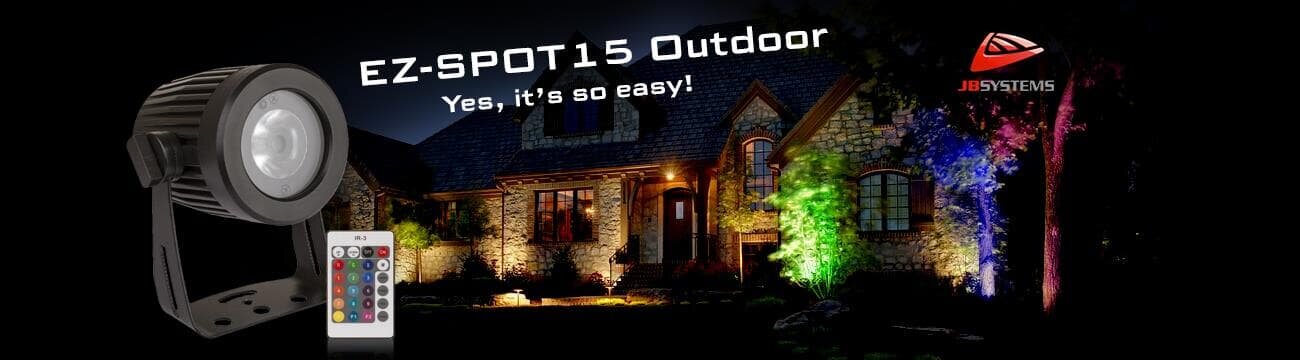
- Finally, JB Systems offers two ready-to-use spotlights with parabolic reflectors: EZ-SPOT15 OUTDOOR e EZ-SPOT15 W W OUTDOOR. One delivers coloured light, while the other provides warm white output. Compact in size, they can be used across a wide range of applications, especially where precise illumination is required for trees, pathways, objects and similar outdoor features.
Outdoor wall washers
For illuminating surfaces, façades and large scenic areas, outdoor wall washers play a central role. Within this segment, the SGM PALCO range stands out in the Audio Effetti catalogue as a benchmark for light quality, colour consistency and robust construction, thanks to proprietary technologies already covered in the dedicated article.
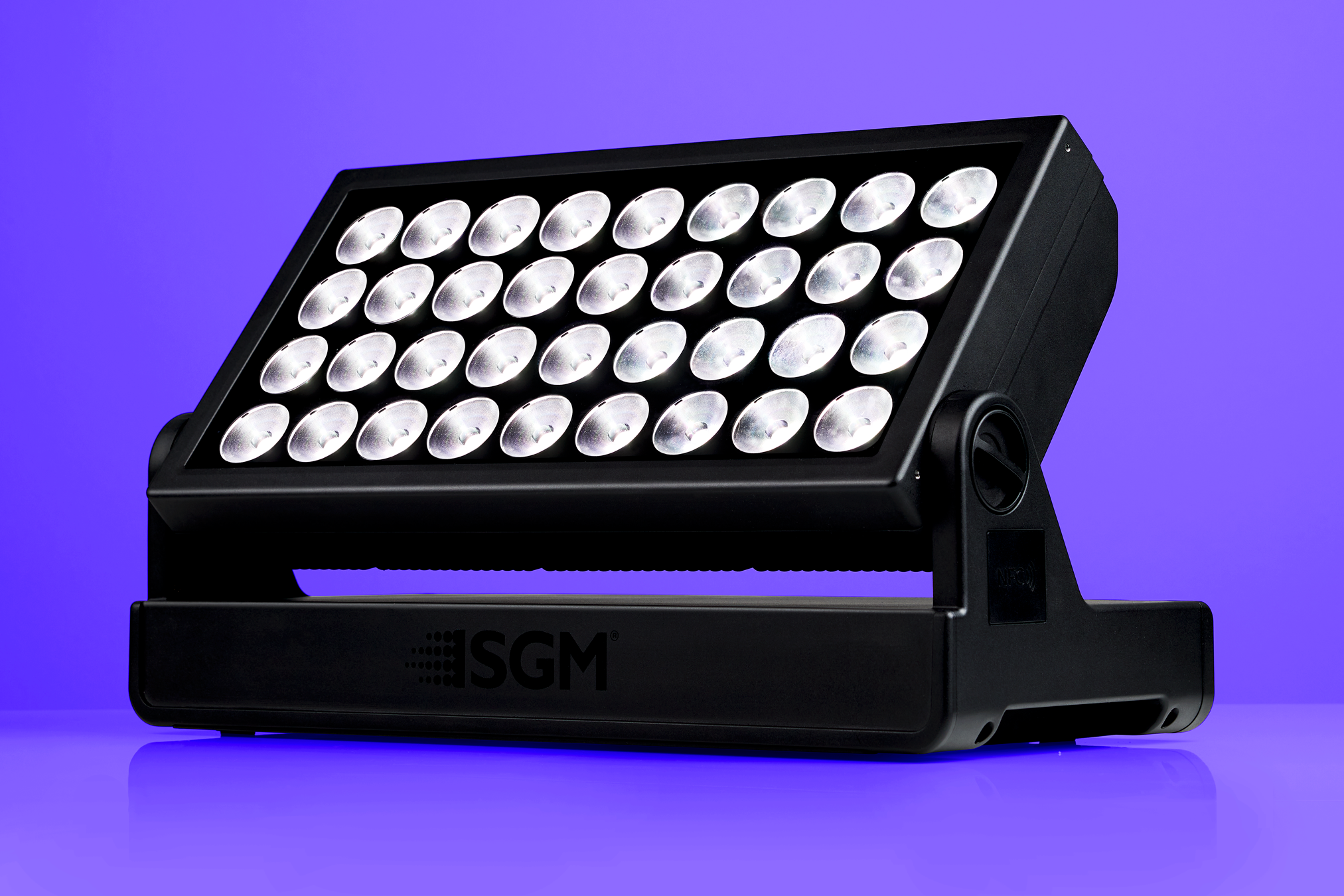
Alongside the PALCO range, the category also includes models from other brands aimed more specifically at permanent installations, designed for façades, lighting paths, parks and architectural environments. These products prioritise efficiency, uniformity and ease of integration, offering versatile solutions for professionals who need to illuminate outdoor surfaces reliably and continuously—even in the rain.
Here are a couple of examples:
Theatre, stage and key lighting fixtures
While most traditional theatre fixtures are not IP65 rated, recent years have seen the introduction of several models designed to bring theatre-quality light to outdoor environments, permanent installations and stages exposed to the elements. Here are a few examples:
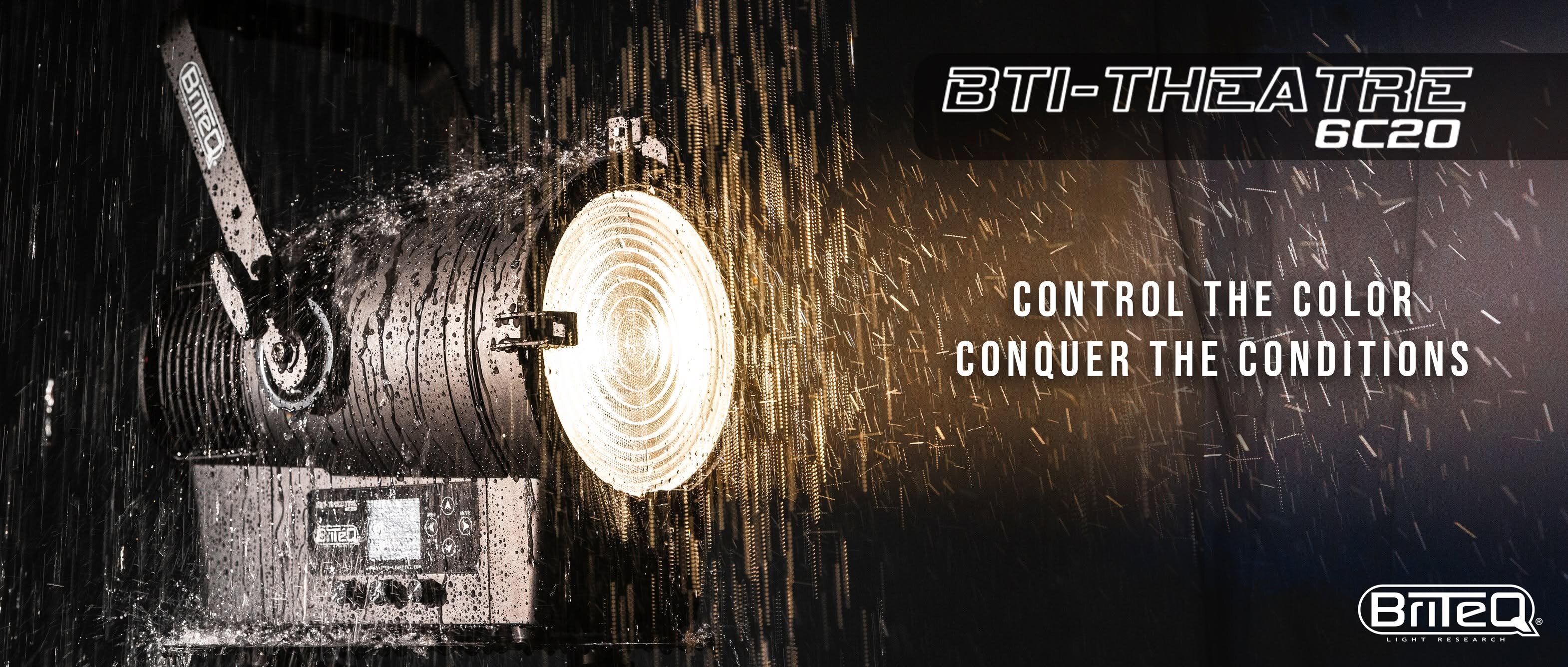
- Briteq BTI-THEATRE 6C20: an LED Fresnel fixture designed to effectively replace traditional 2 kW halogen units. It features an IP65 housing and an internal motorised zoom system, with no telescopic extension for improved robustness and reliability.
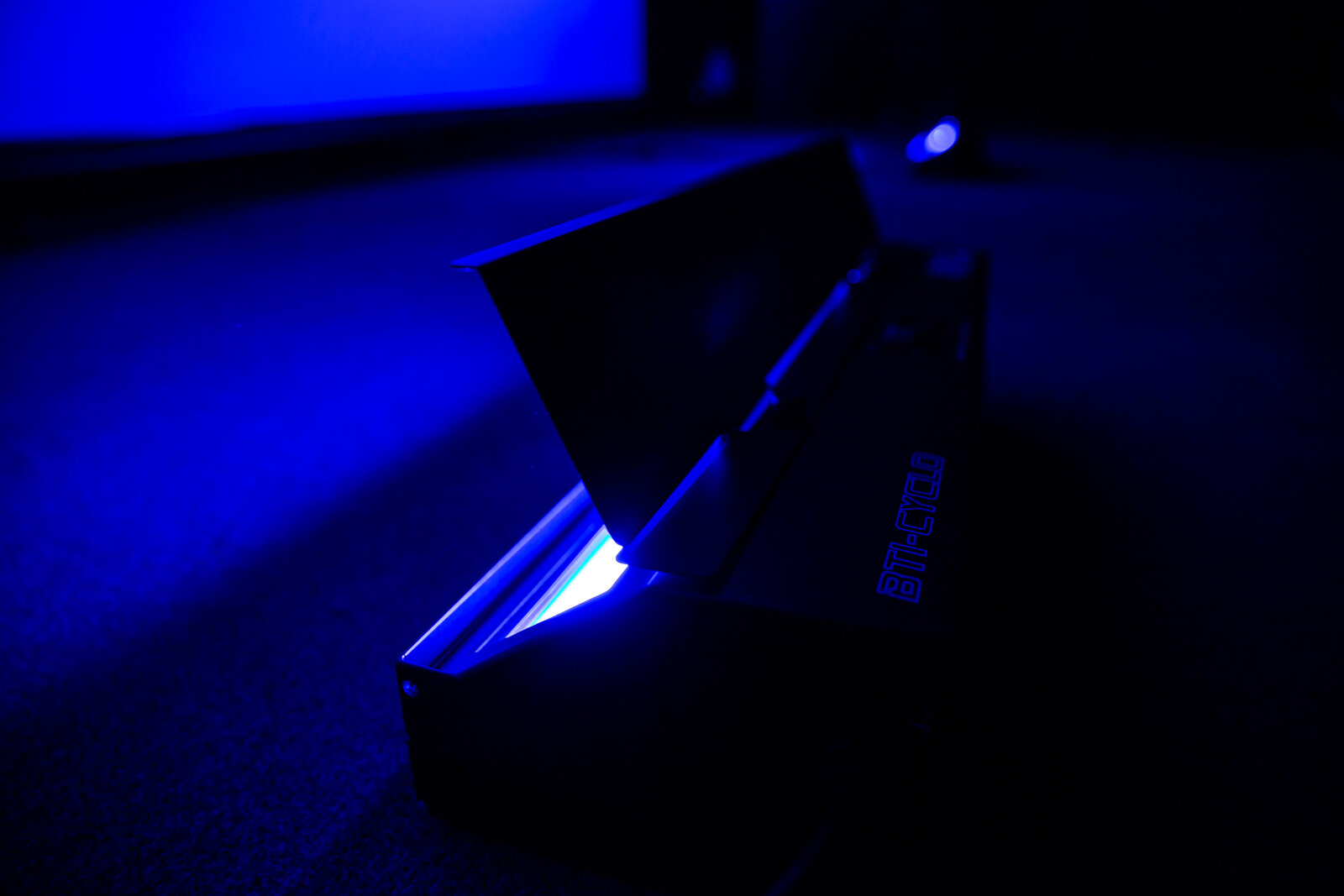
- Briteq BTI-CYCLO: a powerful IP65 colour LED cyclorama fixture. It can be used for backdrop and footlight applications on both indoor and outdoor stages, helping to soften harsh shadows created by overhead lighting.
Battery-powered fixtures
The final category, which we will only touch on briefly for reasons of space, is battery-powered fixtures. Here, the range of models suitable for outdoor use is extremely broad.
The Audio Effetti website features a dedicated page listing all these products, built with highly durable materials to ensure robust, long-lasting performance in outdoor environments.
Conclusions
Today, IP65 lighting fixtures are no longer a niche reserved for a limited number of specialist applications. They have become a cross-sector standard spanning moving heads, LED bars, wall washers, cyclorama fixtures, key lights, battery-powered fixtures and even theatrical luminaires. The market now offers a broad and growing range of solutions designed for rental and touring applications, as well as permanent installations and architectural projects.
This evolution allows technicians, rental companies and lighting designers to select the most suitable fixture not only according to output or beam type, but also based on the environment, the expected duration of the installation and the level of maintenance required. In such a diverse market, an IP65 rating—or an equivalent or higher classification—is a requirement that expands creative possibilities while ensuring reliable operation even in the most demanding environmental conditions.
Want to learn more?
Email us at international@audioeffetti.com


